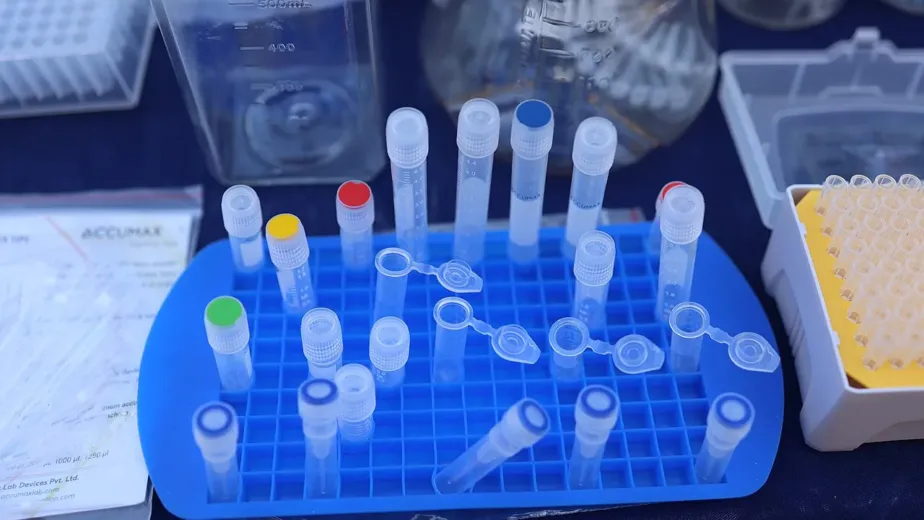
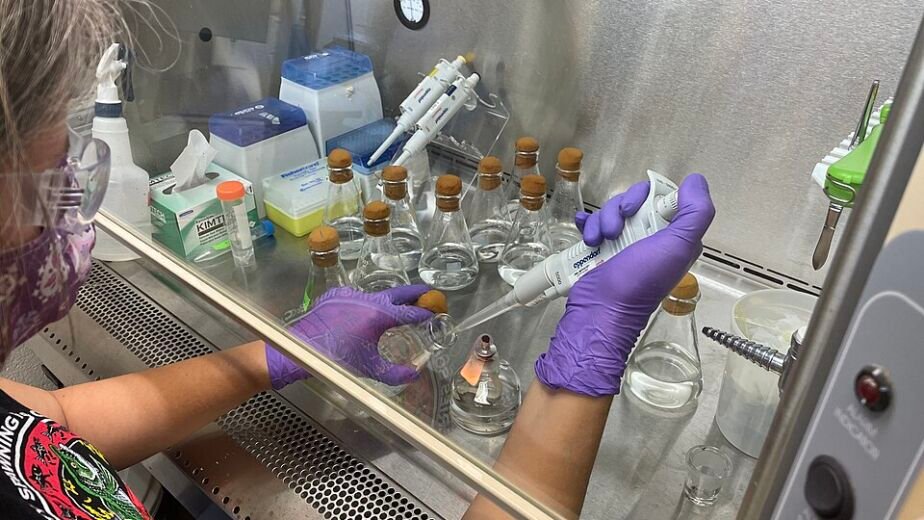
Every laboratory that handles research peptides eventually faces the same practical question: what do peptide freeze thaw cycles do to sample quality over time? A…
TB-500 analogs and variants is a phrase that comes up often in peptide research discussions — and it usually signals confusion more than clarity. Researchers…
This TB-500 clinical trial landscape overview reports one thing and one thing only: what is actually registered on ClinicalTrials.gov for TB-500 and its parent protein,…
When researchers discuss sermorelin dosage forms studied in the literature, they are really discussing a short list with one clear leader. Sermorelin's published clinical history…
PT-141 explained for beginners starts with a simple observation: the compound has three names, a thirty-year backstory, and a reputation that outruns most people's understanding…
Its half-life is one of the few pharmacokinetic facts about this compound that shows up consistently across published sources — and it matters, because half-life…
When researchers discuss a compound, they eventually ask a practical question: in what physical form was it studied? The TB-500 dosage forms studied in the…
If you have just encountered the name "sermorelin" in peptide research and want a clear starting point, this Sermorelin explained for beginners guide is it.…
PT-141 key research findings span more than three decades of peptide science, from early observations about melanocyte-stimulating hormones in the 1960s to a first-in-class FDA…