When researchers discuss a compound, they eventually ask a practical question: in what physical form was it studied? The TB-500 dosage forms studied in the literature tell their own story — about which delivery routes the science has explored, which remain theoretical, and why the format of a study matters as much as its results. This guide surveys the TB-500 dosage forms studied strictly as research topics: parenteral preparations, ophthalmic and topical formulations, the oral-delivery question, and the lyophilized research format. It contains no dosing information, no administration instructions, and no guidance for any human use — formats are described as what the literature covers, nothing more.
Research-use-only disclaimer: All products on this site are sold strictly for laboratory research use. TB-500 is not an FDA-approved drug and is not a medicine. This article describes delivery formats covered in published research. It contains no dosage information, no administration instructions, and no medical advice.
What “TB-500 Dosage Forms Studied” Means
A “dosage form” is the physical format of a preparation — a solution, a powder, a drop, a capsule — and the TB-500 dosage forms studied are simply the formats that appear in published research. This is a literature survey, not a menu: describing that researchers studied a parenteral preparation says nothing about whether any person should receive one. Keeping that boundary sharp is the entire discipline of this article.
Why do dosage forms matter to researchers at all? Because a compound’s behavior depends heavily on its format and route. A peptide that shows an effect in one preparation may show none in another; stability, absorption, and distribution all change with the format. When you read the TB-500 dosage forms studied below, read them as variables the literature has explored — each one a research question in its own right. General background on delivery routes is available at route of administration on Wikipedia.
Formats are findings, not recommendations. Every section below describes what published research has covered — parenteral preparations in animal studies, ophthalmic formulations in clinical research, and so on. None of it is instruction, suggestion, or endorsement for any use. If a sentence here ever reads like guidance, it is being misread: the subject is the literature, always.
Parenteral Research Preparations: The Predominant Format in Animal Studies
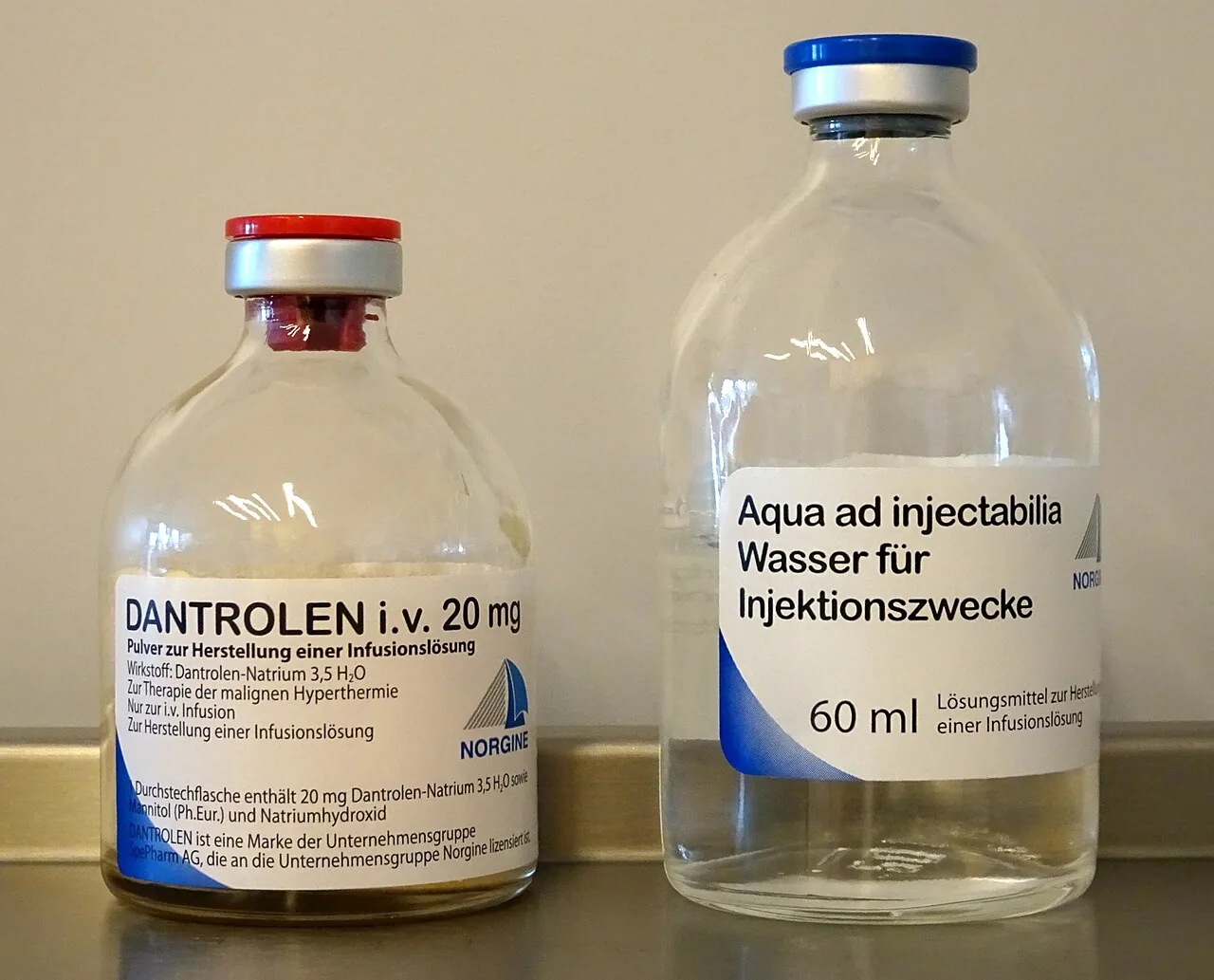
The most prominent entry among the TB-500 dosage forms studied is the parenteral preparation — a sterile solution format used in published animal research. Across the wound-healing, cardiac-repair, and related animal studies in the thymosin beta-4/TB-500 literature, parenteral preparations are the format researchers have used most often. There is a straightforward scientific reason: parenteral delivery places the compound directly into systemic circulation in a controlled experimental setting, removing absorption as a variable so researchers can study the compound’s effects in isolation.
Why animal studies favor this format
In preclinical research, controlling variables is everything. A parenteral preparation gives researchers precise control over what enters the experimental system and when — which is exactly what a mechanistic study needs. That is why the TB-500 dosage forms studied in animal models skew so heavily toward this format: it is the format that answers “what does the compound do” most cleanly, before anyone asks the harder question of how it might be delivered otherwise.
Formulation as a research topic
Even “a solution in a vial” is a formulation problem researchers study: sterility, pH, stability over time, compatibility with container materials. These are standard pharmaceutical-science questions, and they apply to every parenteral preparation in the literature. Describing them here is not instruction — it is an acknowledgment that the format itself is a field of study. Researchers tracing primary sources can use PubMed to find the original papers.
Ophthalmic and Topical Formulations Studied
The second major cluster in the TB-500 dosage forms studied is topical — preparations applied to a surface rather than delivered systemically. Two sub-formats stand out in the literature.
Ophthalmic solutions
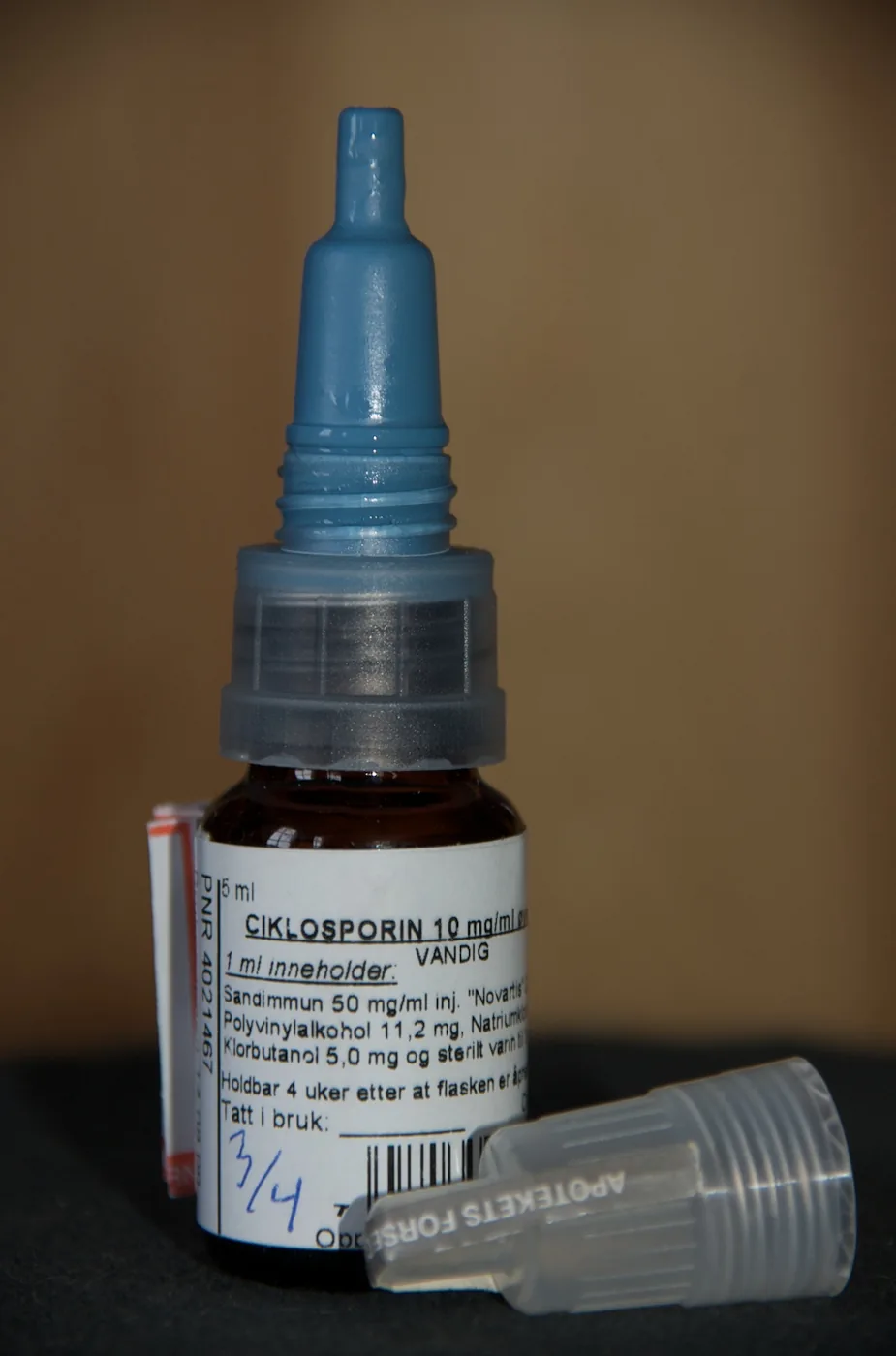
Eye-drop formulations of thymosin beta-4 have been studied in clinical research for corneal conditions — one of the few branches of this literature to reach human investigation. The eye is a natural fit for topical research: it is accessible, its healing can be observed directly, and local application limits systemic exposure, which simplifies the research question. Among the TB-500 dosage forms studied, the ophthalmic format is notable precisely because it moved beyond animal models into clinical research settings.
Dermal and topical preparations
Topical formats have also been investigated in wound-healing research contexts, where applying a preparation directly to the wound surface is the experimentally direct approach. Like the ophthalmic work, topical dermal research keeps the compound at the site of interest — a design choice that suits localized injury models. The published literature treats these as format-specific investigations: what a topical preparation does at a wound surface is a different research question from what a systemic preparation does, and the findings do not transfer between them.
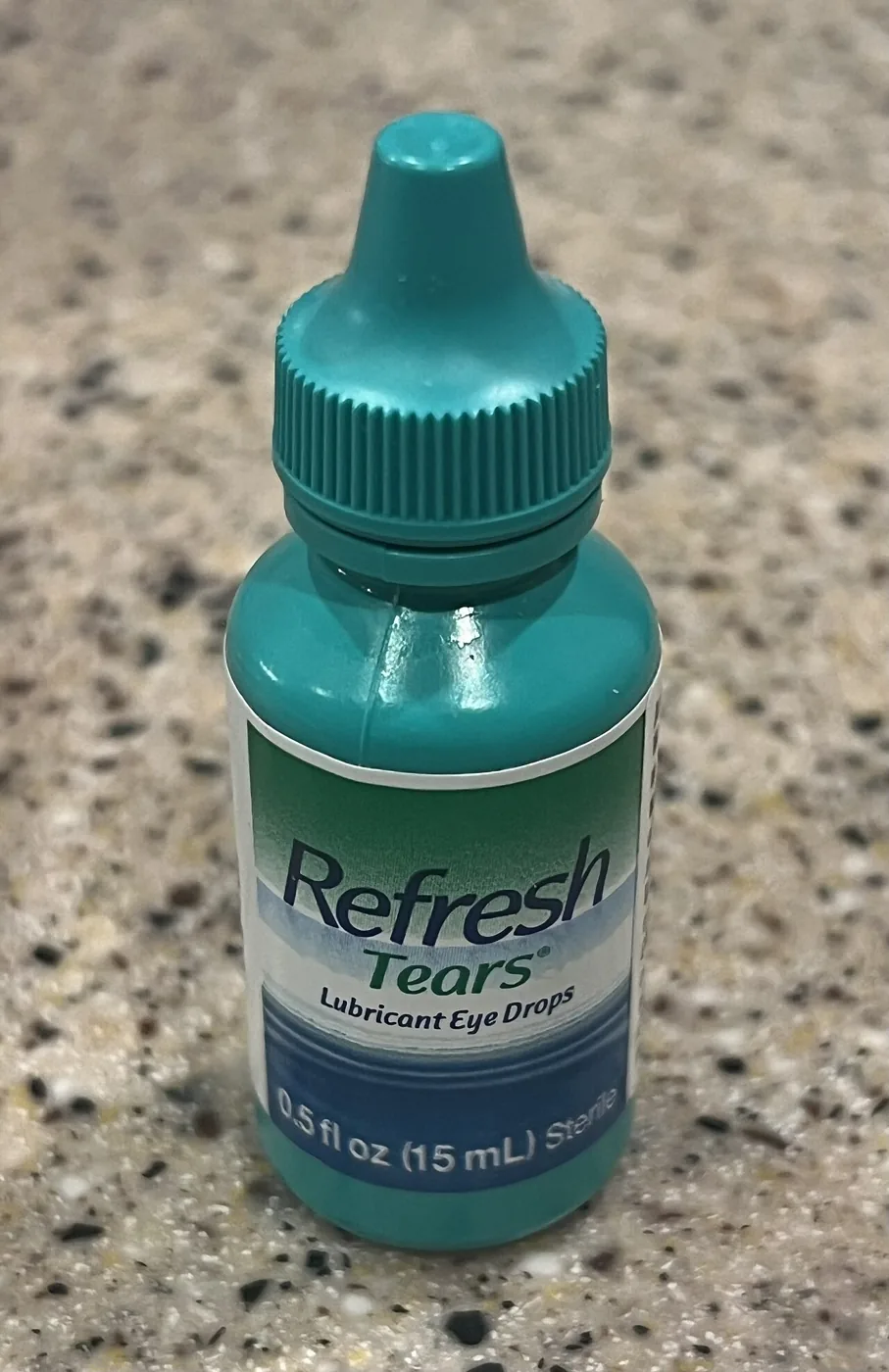
Format determines the question. A topical preparation asks “what happens at this surface”; a parenteral preparation asks “what happens systemically.” The TB-500 dosage forms studied are not interchangeable ways of studying the same thing — each format frames a different experiment, and the literature’s findings belong to the format they were observed in.
Oral Delivery: A Format Defined by Its Barriers
No survey of the TB-500 dosage forms studied is complete without the oral question — and the honest answer is that oral delivery of peptides is a research challenge, not an established format. Peptides as a class face well-known barriers to oral delivery: digestive enzymes break peptide bonds, and the intestinal wall is a poor conduit for molecules of this size. These are general pharmaceutical-science facts, not specific to TB-500.
Why oral formats attract research interest
- Oral formats are non-invasive and convenient — the properties that make them the preferred format for most medicines
- Advances in formulation science (protective coatings, absorption enhancers, novel carriers) are active research areas for peptides generally
- A viable oral peptide format would transform how peptide research translates — which is why the question keeps being asked
Why oral remains unestablished for TB-500
- Published TB-500/thymosin beta-4 research does not establish an oral format — the literature’s formats are parenteral and topical
- Enzymatic degradation in the gastrointestinal tract is a fundamental barrier for peptide molecules
- Poor intestinal absorption means most of an oral peptide preparation would not reach circulation intact — a general pharmacology constraint
The takeaway for the TB-500 dosage forms studied: oral delivery belongs in this guide as a research frontier, not as a studied format. Anyone claiming an established oral TB-500 format is describing something the published literature does not support.
Lyophilized Powder: The Research Supply Format
There is one more format in the TB-500 dosage forms studied — and it is the one researchers actually handle: lyophilized (freeze-dried) powder in sealed vials. This is the format in which research peptides are supplied, including the research vials in our own catalog such as Semax 10mg and Selank 10mg. Lyophilization removes water to improve stability during storage and shipping — a standard technique in pharmaceutical science, described at lyophilisation on Wikipedia.
As a research topic, the lyophilized format raises its own questions: long-term stability, storage conditions, and batch-to-batch consistency — the quality attributes any serious research program verifies. What happens after a vial is opened belongs to laboratory procedure, not to this article. For the handling discipline around research vials, see our guide to research compound handling in the Selank vs Semax comparison.
The supply format is not a studied therapeutic format. Lyophilized powder is how research materials are stored and shipped — it describes logistics, not a delivery route investigated for effects. Confusing the vial on the shelf with a format studied in the literature is a category error worth avoiding.
Formats Studied for Other Peptides: The Intranasal Contrast
One format deserves mention by its absence from the TB-500 literature: intranasal delivery. Intranasal formats have been studied for other research peptides — our research overviews cover the Semax nasal spray and Selank nasal spray literature in the same research-use framing as this guide. But intranasal delivery is not an established format in the published TB-500/thymosin beta-4 research.
The contrast is instructive for reading the TB-500 dosage forms studied correctly: a format studied for one peptide says nothing about another. Delivery-format research is compound-specific — it depends on the molecule’s size, stability, and the target tissue. The intranasal literature belongs to the compounds it was studied in, and borrowing it for TB-500 would be precisely the kind of cross-compound assumption this guide avoids.
TB-500 Dosage Forms Studied at a Glance
The table below summarizes the TB-500 dosage forms studied — each format, its status in the literature, and what kind of research question it frames.
| Dosage form | Status in the literature | Research question it frames |
|---|---|---|
| Parenteral preparations | Predominant format in published animal studies | Systemic effects under controlled experimental conditions |
| Ophthalmic solutions | Studied in clinical research for corneal conditions | Local effects on corneal healing, observable directly |
| Topical dermal preparations | Investigated in wound-healing research contexts | Localized effects at the wound surface |
| Oral formats | Not established; a research frontier with known barriers | Whether peptide delivery barriers can be overcome |
| Lyophilized powder vials | Standard research supply and storage format | Stability, storage, and material quality — not delivery |
| Intranasal formats | Studied for other peptides, not established for TB-500 | Compound-specific; not transferable between peptides |
Key takeaways: TB-500 dosage forms studied
- The TB-500 dosage forms studied in published research are predominantly parenteral preparations in animal studies, plus ophthalmic and topical formulations — including clinical research on eye-drop formats.
- Oral delivery is not an established format: peptide oral bioavailability faces well-known enzymatic and absorption barriers, making it a research frontier rather than a studied option.
- Lyophilized powder vials are the research supply format — a logistics and stability topic, not a delivery route.
- Formats studied for other peptides (such as intranasal) do not transfer to TB-500; delivery-format research is compound-specific.
- Each format frames a different experiment; findings belong to the format they were observed in and none of this is guidance for any use.
Research framing only — a literature survey of formats, not dosing or administration guidance.
TB-500 Dosage Forms Studied: Final Notes
The TB-500 dosage forms studied map neatly onto the compound’s research story: systemic questions studied with parenteral preparations, surface questions studied with topical formats, and the hard questions — like oral delivery — still open. That mapping is the real value of a format survey. It shows not just what was studied, but how researchers thought: which variables they controlled, which routes suited which questions, and where the science stopped.
For anyone reading peptide literature, the format habit is worth building: always ask in what form the compound was studied before asking what was found. The TB-500 dosage forms studied reward that habit — and so will every paper you read after this one.
TB-500 Dosage Forms Studied: Frequently Asked Questions
Quick answers about the TB-500 dosage forms studied — formats as research topics only.
What dosage forms of TB-500 appear in published research?
Parenteral preparations predominate in published animal studies; ophthalmic (eye-drop) formulations have been studied in clinical research for corneal conditions; topical dermal preparations appear in wound-healing research contexts. Oral formats are not established in the literature.
Has an oral TB-500 format been studied?
Not as an established format. Oral delivery of peptides faces well-known barriers — enzymatic degradation and poor intestinal absorption — making it an active research frontier for peptides generally, not a studied TB-500 option. Claims of an established oral format are not supported by the published literature.
What is the lyophilized vial format?
Lyophilized (freeze-dried) powder in sealed vials is the standard format in which research peptides are supplied and stored — it improves stability during storage and shipping. It is a supply and logistics format, not a delivery route investigated for effects.
Have intranasal TB-500 formats been studied?
Intranasal delivery has been studied for other research peptides, but it is not an established format in the published TB-500/thymosin beta-4 research. Delivery-format findings are compound-specific and do not transfer between peptides.
Why does the studied format matter when reading research?
Because each format frames a different experiment: a topical preparation asks what happens at a surface, a parenteral preparation asks what happens systemically. Findings belong to the format they were observed in and cannot be assumed to apply to other formats.
Does describing these formats imply they are safe or recommended?
No. This article surveys formats covered in published research only. It contains no dosing information, no administration instructions, and no recommendation for any use. TB-500 is not an FDA-approved drug and is handled strictly as a research compound.