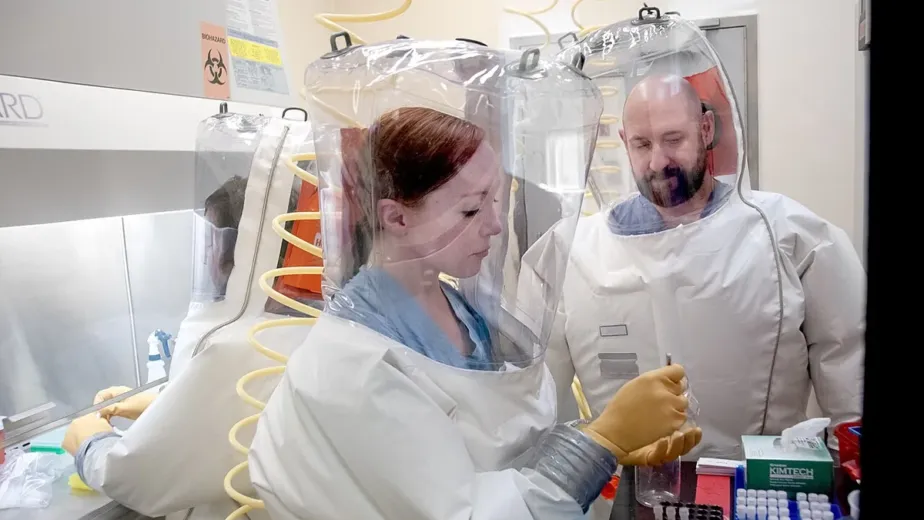
The peptide lyophilization cycle is the reason research peptides arrive as dry powders instead of liquids. Lyophilization — freeze-drying — removes water from a peptide…
Sermorelin for growth hormone research is a topic defined by one unusual fact: sermorelin is among the few GHRH-family research compounds with a documented human…
The sermorelin half-life is one of the most practically important numbers in the compound's published pharmacology — and one of the shortest in the GH-secretagogue…
PT-141 has one of the strangest origin stories in peptide science: a compound discovered because tanning-research volunteers kept reporting an unexpected side effect. Decades later,…
TB-500 for muscle research attracts a lot of attention — and a lot of overstatement. Claims about muscle growth circulate widely online, but the published…
The PT-141 safety profile is one of the more completely documented safety records among peptide research compounds — a direct consequence of bremelanotide having passed…