
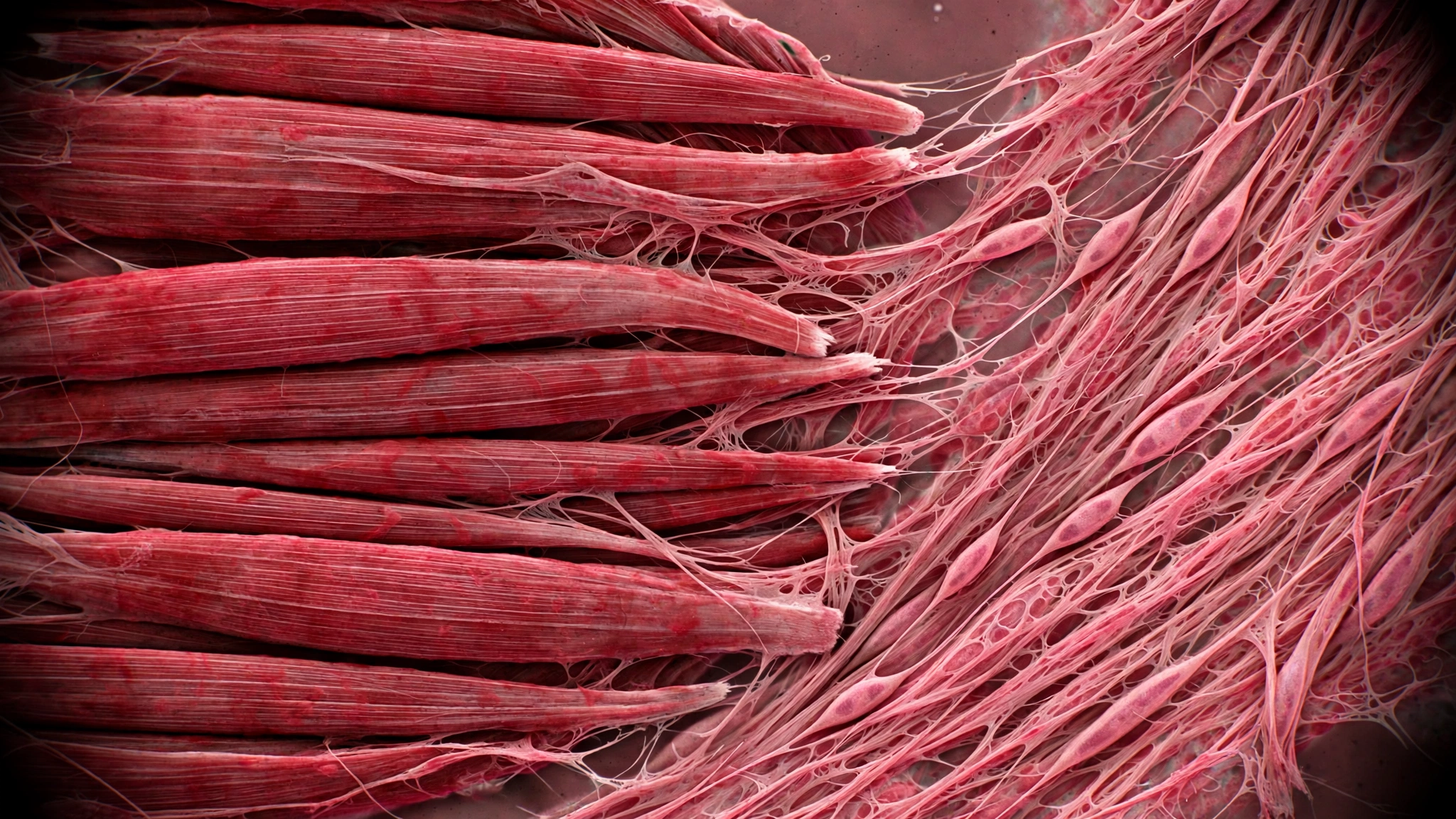
The wolverine blend is one of the most searched peptide stacks in tissue-repair research — named, with a wink, after the comic-book character famous for rapid regeneration. Behind the nickname sits a serious research pairing: BPC-157 and TB-500, two of the most studied repair-pathway peptides, combined in a single vial. This guide explains what the wolverine blend is, why researchers pair these two compounds, what the preclinical literature actually shows, and how the blend compares with using each peptide on its own.
What Is the Wolverine Blend?
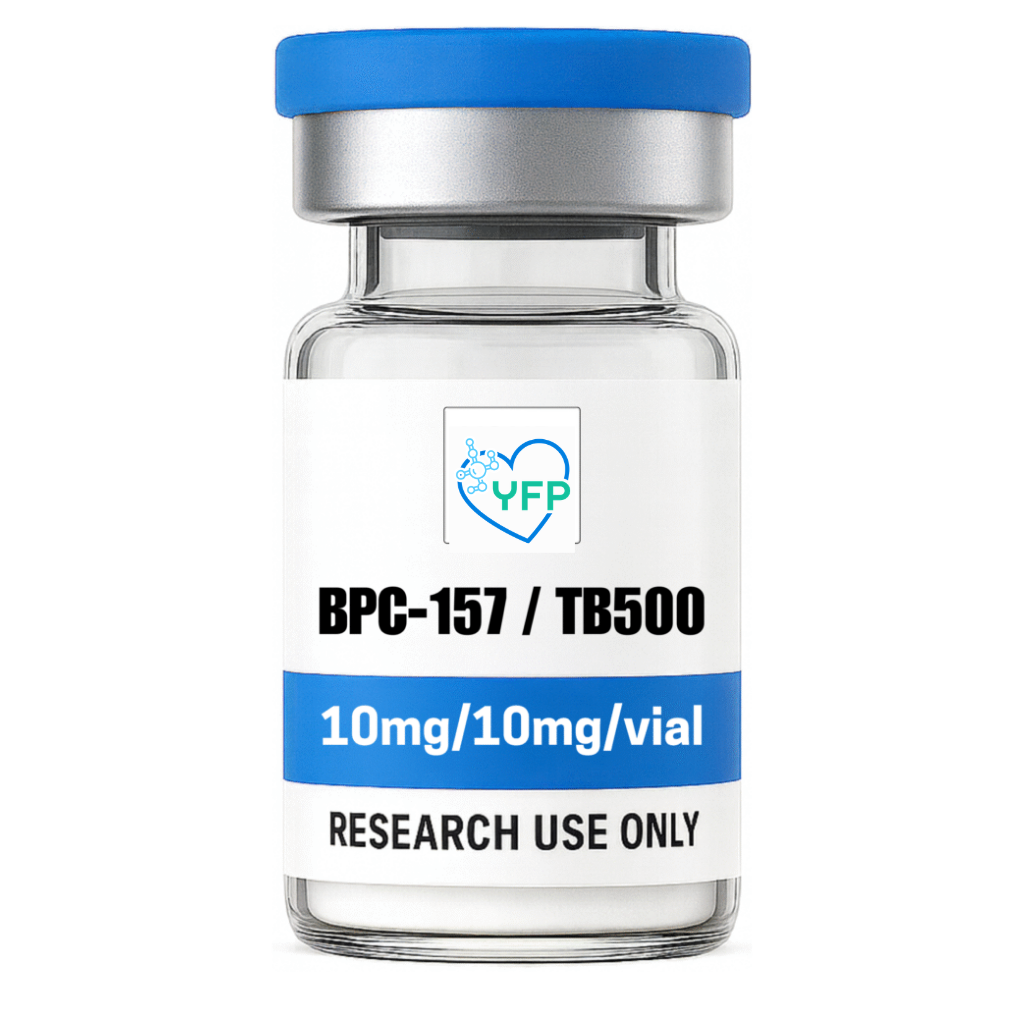
The wolverine blend combines equal research quantities of BPC-157 and TB-500 (thymosin beta-4 fragment) in one lyophilized vial — in our catalog, the Wolverine Blend pairs BPC-157 10mg with TB-500 10mg. The pairing is deliberate: the two peptides act on different, complementary parts of the tissue-repair process, which is why the stack has become a standard model in soft-tissue and tendon research. For the underlying studies on one half of the pair, see our roundup of the top BPC-157 studies.
Half One: BPC-157 and the Angiogenesis Pathway
BPC-157 is a 15-amino-acid peptide derived from a gastric protection protein. In preclinical models it is studied for:
- Angiogenesis signaling — upregulation of VEGF pathways and nitric-oxide system interaction, covered in our explainer on BPC-157 and the nitric oxide pathway.
- Tendon and ligament models — fibroblast migration and collagen organization in tendon-to-bone healing studies.
- Growth-hormone receptor expression — reported upregulation in tendon fibroblasts in vitro.
Half Two: TB-500 and Cell Migration
TB-500 is the synthetic fragment of thymosin beta-4 built around the LKKTETQ actin-binding sequence. Its research profile centers on:
- Actin regulation — thymosin beta-4 sequesters G-actin, a core mechanism in cell motility.
- Cell migration to injury sites — the basis of its use in wound and tissue models, detailed in our guide to TB-500 in muscle repair research.
- Anti-inflammatory signaling — examined in cardiac, dermal and ocular repair models.
Why Pair Them? The Complementarity Argument
The logic of the wolverine blend is that repair is a sequence, not a single event. Damaged tissue needs cells to migrate in (TB-500’s actin-driven motility), then needs blood supply and matrix organization to rebuild (the angiogenesis and collagen pathways BPC-157 is studied for). Stacking the two lets researchers model both phases in one protocol instead of running parallel single-compound arms. It is the same reasoning behind the larger blends in this category — our comparison of GHK-Cu vs BPC-157 shows how a third compound changes the model again in the GLOW and KLOW stacks.
Wolverine Blend vs the Two Peptides Separately
| Factor | Wolverine blend | Separate vials |
|---|---|---|
| Ratio control | Fixed 1:1 ratio | Each compound dosed independently |
| Protocol simplicity | One reconstitution, one protocol | Two preparations to track |
| Documentation | Single lot COA for the blend | Separate COA per compound |
| Best suited to | Combined-pathway study models | Single-variable experimental designs |
Neither format is universally “better” — the choice follows the study design. Single-variable work needs separate vials; combined-pathway models are cleaner with the blend.
Quality and Handling Notes
A two-compound vial raises the documentation bar: the COA should confirm the identity and purity of both peptides, not just the blend as a whole. Look for 99%+ HPLC purity with mass-spectrometry confirmation per component, lot traceability, and a sealed lyophilized presentation stored frozen and protected from light — the standard our own Wolverine Blend lot documentation is published against.
Frequently Asked Questions
What is in the wolverine blend?
BPC-157 and TB-500 in a single vial — in our catalog, 10mg of each, lyophilized together for research use.
Why is it called the wolverine blend?
The nickname references the fictional character known for fast healing. It is a community name for the BPC-157 + TB-500 stack, not a scientific term.
What is the wolverine blend studied for?
Soft-tissue repair models — tendon, ligament, muscle and wound healing — where researchers want to examine cell migration and angiogenesis pathways together.
Is the blend better than taking BPC-157 and TB-500 separately?
It is more convenient for combined-pathway protocols and guarantees the 1:1 ratio, but separate vials give independent control of each compound. The right choice depends on the study design.
How should the wolverine blend be stored?
Sealed, frozen and protected from light in its lyophilized form, reconstituted only when the research protocol begins.
Bottom Line
The wolverine blend is a fixed-ratio pairing of the two most studied repair peptides — BPC-157 for the angiogenesis and matrix side, TB-500 for cell migration. Understood as a combined-pathway research model, with per-component COA documentation, it earns its place as one of the category’s standard stacks.
All products referenced are supplied for laboratory research use only. Nothing in this article is medical advice.