TB-500 for muscle repair is a phrase that comes up often in research-peptide discussions — but what does the published literature actually say? TB-500 is a synthetic peptide fragment related to thymosin beta-4, a naturally occurring peptide found in the human body. Research interest in TB-500 for muscle repair grew out of thymosin beta-4’s studied role in tissue repair models, where scientists have investigated how this peptide family interacts with cells involved in the repair process. This article examines TB-500 for muscle repair strictly through the lens of published research: what the compound is, why muscle-injury models entered the picture, what tissue-repair studies have reported, and where the research stands today. Nothing here is medical advice, and nothing here describes human use — this is a research overview for readers following the science.
Research-use-only disclaimer: TB-500 is not an FDA-approved drug and is not a medicine. It is handled as a research compound for laboratory and scientific investigation only. This article contains no dosage information, no administration instructions, and no medical advice, and nothing here recommends using TB-500.
TB-500 for Muscle Repair: The Compound at a Glance
Before getting into the research, it helps to pin down what TB-500 actually is. The table below summarizes the compound’s identity, its relationship to a naturally occurring peptide, and the research context in which TB-500 for muscle repair is discussed.
| Attribute | Details |
|---|---|
| Full context | TB-500 is a synthetic peptide studied in tissue-repair research |
| Related natural peptide | Thymosin beta-4, a 43-amino-acid peptide found naturally in the human body |
| Relationship | TB-500 is a synthetic fragment modeled on a portion of the thymosin beta-4 sequence |
| Why muscle repair entered the picture | Thymosin beta-4 research has focused on tissue repair, cell migration, and wound-healing models |
| Regulatory status | Not an FDA-approved drug; research compound only |
| Sport regulation note | Thymosin beta-4 appears on the World Anti-Doping Agency’s prohibited list |
The key point: TB-500 for muscle repair is not a separate, purpose-built “muscle drug” — it is a research fragment of a peptide whose natural counterpart has been studied in wound and tissue repair contexts. Muscle repair is one branch of that broader tissue-repair research.
From Thymosin Beta-4 to TB-500: The Research Backstory
Thymosin beta-4 is one of the most abundant peptides in human cells, found at particularly high concentrations in blood platelets and wound fluid. That distribution — concentrated exactly where the body manages injury — is what first drew researchers’ attention. If a peptide shows up in large amounts at wound sites, the natural research question is: what is it doing there?
Published research on thymosin beta-4 has investigated its role in cell migration (the movement of cells toward injury sites), the formation of new blood vessels in healing tissue, and the organization of actin, a structural protein inside cells. These are fundamental repair processes, studied in cell cultures and animal models of tissue injury. TB-500, as a synthetic fragment of this peptide, became a research tool for probing the same questions in a smaller, more manageable molecular format.
Why researchers study fragments, not just the whole peptide
In peptide research, studying a synthetic fragment like TB-500 alongside the full-length natural peptide (thymosin beta-4) helps scientists isolate which parts of a molecule are associated with which observed effects. A fragment is cheaper to synthesize, easier to modify, and lets researchers test specific regions of the parent sequence. That is the practical reason TB-500 for muscle repair exists as a distinct research subject.
A Timeline of TB-500 for Muscle Repair Research
The TB-500 for muscle repair story did not start with muscle. It started with wounds, and muscle-injury research followed as a logical extension. The timeline below traces how the research focus broadened.
Phase 1: Wound-healing foundations
The earliest research attention on the thymosin beta-4 family centered on dermal wound healing — skin injuries in animal models. These studies established the peptide family as a subject of legitimate tissue-repair research and introduced the mechanisms (cell migration, blood vessel formation) that later muscle research would build on.
Phase 2: The fragment enters the lab
TB-500 emerged as researchers began working with synthetic fragments of thymosin beta-4. Working with a fragment rather than the full 43-amino-acid peptide gave labs a more focused tool for investigating which regions of the molecule were associated with the repair-related effects observed in earlier studies.
Phase 3: Muscle-injury models
With the tissue-repair mechanisms characterized in wound models, researchers extended the questions to muscle tissue. Skeletal muscle injuries — strains, contusions, and the cellular damage that follows intense exertion — became a new application area for the same investigative toolkit. This is the phase where TB-500 for muscle repair became a recognizable research topic: the compound, applied to questions about muscle tissue rather than skin.
Phase 4: Ongoing investigation
Today, TB-500 for muscle repair remains an active but early-stage research area. The compound continues to appear in tissue-repair literature, and researchers continue to probe the mechanisms by which the thymosin beta-4 family interacts with injured tissue. As with all research compounds, findings in cell and animal models describe research results — not human outcomes.
What “studied in muscle models” actually means
When research summaries say a compound was “studied for muscle repair,” they typically mean one of three things: cell-culture experiments using muscle cells, animal models of induced muscle injury, or biochemical studies of repair-related pathways in muscle tissue. None of these is a human trial, and results from one model do not automatically transfer to another. Keeping that distinction clear is what separates research reporting from hype.
What Tissue-Repair Models Have Reported
So what has the published research actually found? The literature on the thymosin beta-4 family — the context in which TB-500 for muscle repair is studied — clusters around a few recurring themes. The sections below describe them in research terms, without extrapolating to human effects.
Cell migration in repair models
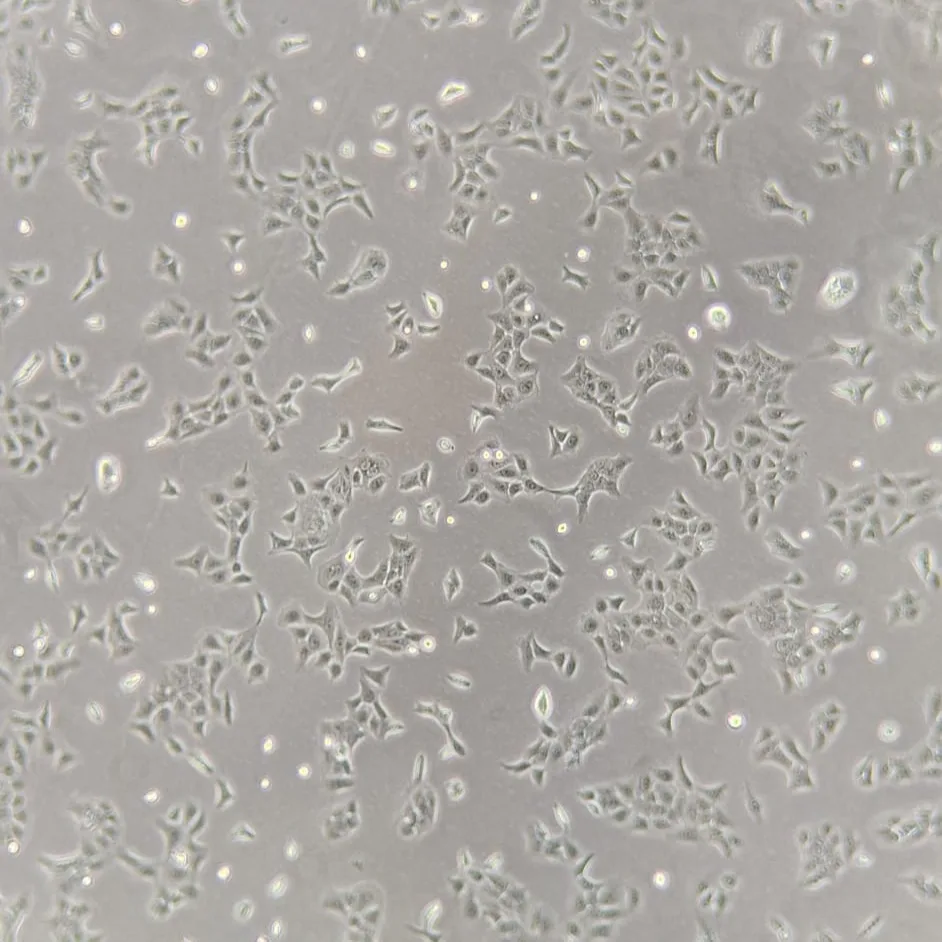
One of the most consistently reported observations in thymosin beta-4 research is an association with cell migration — the directed movement of cells toward sites of injury. In laboratory models, this is measured in controlled assays (such as scratch-wound assays in cell culture) rather than in living human tissue. Researchers investigating TB-500 for muscle repair have been interested in whether the synthetic fragment is associated with similar migratory behavior in muscle-cell models.
Blood vessel formation
Repairing tissue requires restoring its blood supply, and the thymosin beta-4 literature includes investigation of angiogenesis — the formation of new blood vessels — in healing-tissue models. This line of research matters for muscle because skeletal muscle is highly vascularized tissue; any repair process in muscle necessarily involves its blood supply. Again, these are model-system findings, reported by researchers studying the mechanisms, not outcomes in people.
Actin organization
At the molecular level, thymosin beta-4 is known to bind actin monomers — the building blocks of the cell’s internal skeleton. This is one of the best-characterized biochemical facts about the parent peptide and a major reason it became a research subject in the first place: a peptide that interacts directly with the cell’s structural machinery is a natural candidate for studying how cells reorganize during repair. Whether and how the TB-500 fragment preserves this interaction is part of what fragment-based research sets out to determine.
The honest limits of the current evidence
Three limits keep the TB-500 for muscle repair literature in the early-research category: (1) most findings come from cell cultures and animal models, not human studies; (2) many frequently cited observations concern thymosin beta-4 itself rather than the TB-500 fragment specifically; and (3) the compound is not an approved medicine anywhere, so there is no regulatory-grade body of clinical evidence. A research overview that skips these caveats is not doing its job.
TB-500 for Muscle Repair vs. the Parent Peptide
A common point of confusion: is researching TB-500 the same as researching thymosin beta-4? Not exactly. The comparison below clarifies the relationship.
| Aspect | Thymosin beta-4 | TB-500 |
|---|---|---|
| Nature | Naturally occurring 43-amino-acid peptide | Synthetic fragment of the thymosin beta-4 sequence |
| Presence in the body | Found in human cells, platelets, and wound fluid | Not naturally occurring; lab-synthesized research tool |
| Research history | Longer, broader literature across wound and tissue repair | Shorter history, focused on fragment-specific questions |
| Why each is studied | To understand the natural repair-associated peptide | To isolate which regions of the sequence matter |
This distinction matters because findings about thymosin beta-4 do not automatically apply to TB-500. Careful research reporting on TB-500 for muscle repair keeps the two separate — and careful readers should too.
Regulatory and Sourcing Context
TB-500 is not an FDA-approved drug, and it is not sold as a medicine. In the research-chemicals world, it is supplied strictly as a laboratory research compound — the same research-use-only framing that governs everything on this site, including our Semax 10mg and Selank 10mg research listings. Readers can check what approval status means through the FDA’s drug information resources, and browse indexed studies through PubMed.
One more regulatory note: thymosin beta-4 appears on the World Anti-Doping Agency’s prohibited substances list, which means athletes subject to anti-doping rules should be aware that this peptide family carries competitive-sport implications entirely separate from its research status. And a note on research formats: delivery routes are themselves a research topic — for context on how other peptides’ delivery formats have been studied, see our research overviews of Semax nasal spray and Selank nasal spray studies.
Key Takeaways: TB-500 for Muscle Repair in Research Terms
The research case for TB-500 rests on its parent peptide
Interest in TB-500 for muscle repair traces back to thymosin beta-4, a naturally occurring peptide concentrated in wound fluid and studied in tissue-repair models for its associations with cell migration, blood vessel formation, and actin organization. TB-500 is the synthetic fragment researchers use to probe which parts of that story belong to which parts of the molecule. (Research framing only — not a human-use statement.)
The evidence is early-stage and model-based
Published findings on TB-500 for muscle repair come from cell cultures and animal models, not from approved clinical programs. Many widely repeated claims actually describe thymosin beta-4 rather than the fragment. The compound is not an FDA-approved drug, and nothing in the research record constitutes medical guidance. (Research framing only.)
For readers who follow research-peptide comparisons, our Selank vs Semax research comparison shows how we structure head-to-head research overviews on this site — the same origin-structure-literature approach applied to a different pair of compounds.
TB-500 for Muscle Repair: Frequently Asked Questions
Quick answers to the questions researchers and readers ask most about this topic — all in strict research framing.
What is TB-500 in the context of muscle repair research?
TB-500 is a synthetic peptide fragment modeled on a portion of thymosin beta-4, a naturally occurring 43-amino-acid peptide found in human cells and wound fluid. In TB-500 for muscle repair research, the fragment serves as a laboratory tool for investigating tissue-repair mechanisms — such as cell migration and blood vessel formation — that were first characterized in studies of the parent peptide. It is a research compound, not a medicine.
Why is muscle repair studied with TB-500 rather than only wound healing?
Because skeletal muscle is a tissue that undergoes repair after injury, and the repair mechanisms studied in wound models (cell migration, vascularization, cellular reorganization) are relevant to muscle tissue as well. Researchers extended the thymosin beta-4 fragment toolkit from dermal wound models to muscle-injury models to investigate whether similar repair-associated processes could be observed there. This describes the research trajectory, not a finding about human outcomes.
What have published studies reported about TB-500 for muscle repair?
Published research on the thymosin beta-4 family reports associations with cell migration in laboratory assays, blood vessel formation in healing-tissue models, and actin binding at the molecular level. Findings specific to the TB-500 fragment and to muscle models are part of an early-stage, model-based literature. No published research establishes TB-500 as an effective treatment for any human condition.
Is TB-500 the same thing as thymosin beta-4?
No. Thymosin beta-4 is the full-length, naturally occurring 43-amino-acid peptide; TB-500 is a synthetic fragment of its sequence. Research findings about the parent peptide do not automatically apply to the fragment, and careful reporting on TB-500 for muscle repair keeps the two distinct.
Is TB-500 FDA-approved?
No. TB-500 is not an FDA-approved drug and is not sold as a medicine. It is handled as a research compound for laboratory and scientific investigation only. Additionally, thymosin beta-4 appears on the World Anti-Doping Agency’s prohibited list, which carries separate implications for competitive athletes.
Where can researchers find more peptide research overviews?
This site publishes research-use-only overviews of several compounds and comparisons, including our Selank vs Semax comparison and our Semax nasal spray and Selank nasal spray research guides. All follow the same research-framing standards as this TB-500 for muscle repair overview.
TB-500 for Muscle Repair: Final Research Notes
The TB-500 for muscle repair story is, at its core, a story about a research tool: a synthetic fragment of thymosin beta-4 that lets scientists ask sharper questions about tissue repair than the full-length peptide allows on its own. The parent peptide’s presence in wound fluid, its studied associations with cell migration and vascularization, and its direct interaction with actin made the whole family a natural subject for repair research — and muscle tissue, as a repair-dependent tissue, became a logical branch of that investigation.
But “logical branch of investigation” is exactly what it is: an area of ongoing, early-stage, model-based research, not a body of clinical evidence and not a basis for any human use. Kept in that frame — compound identity, parent-peptide backstory, reported model findings, honest limits — TB-500 for muscle repair is a genuinely interesting research topic that needs no exaggeration to be worth following.