TB-500 stability and storage is a practical research topic that rarely gets the careful treatment it deserves: the validity of any laboratory work with a peptide depends on the compound remaining intact from receipt to experiment. This guide covers TB-500 stability and storage from published peptide science and general laboratory practice — what degrades peptides, how lyophilized material is stored, how prepared solutions are handled, and where the honest limits of current knowledge lie. It is framed entirely as laboratory practice: no administration instructions, no dosing, no human-use content of any kind.
Research-use-only disclaimer: TB-500 is not an FDA-approved drug and is not a medicine. It is handled as a research compound for laboratory and scientific investigation only. This article describes laboratory storage and stability principles; it contains no dosage information, no administration instructions, and no medical advice.
Why TB-500 Stability and Storage Matters for Research
A degraded research compound produces degraded data. If the peptide in a vial has partially broken down — through moisture exposure, temperature excursions, or repeated freeze-thaw cycles — then the material tested in an experiment is not the material the researcher assumes it to be. Results become uninterpretable: is an unexpected outcome a real finding or an artifact of compromised material? Good TB-500 stability and storage practice is therefore not housekeeping — it is a precondition of valid research.
This matters especially for peptides. Short amino-acid chains are more chemically vulnerable than many small-molecule compounds: their amide bonds can hydrolyze, certain residues oxidize, and the molecules can aggregate — all under conditions that a sturdier compound would shrug off. The peptide literature treats stability as a first-order experimental variable, and TB-500 stability and storage deserves the same seriousness.
An honest starting point
Published stability data specific to TB-500 — formal degradation studies of this exact compound under defined conditions — is limited in the open literature. What follows is therefore built on two solid foundations: general peptide stability science, which is extensive and well documented, and standard laboratory practice for research peptides. Where TB-500-specific data is absent, this guide says so rather than inventing it.
What Can Degrade a Peptide: The General Science
Peptide stability science describes several well-characterized degradation pathways. Understanding them is the basis of all TB-500 stability and storage practice, because every storage recommendation is really a countermeasure against one of these:
| Degradation pathway | What happens | Storage countermeasure |
|---|---|---|
| Hydrolysis | Water cleaves amide bonds in the peptide backbone | Keep lyophilized; exclude moisture; desiccated storage |
| Oxidation | Oxygen (and light-driven reactions) modify susceptible residues | Limit air exposure; protect from light; cold storage |
| Deamidation | Asparagine/glutamine side chains convert, altering the molecule | Control temperature and pH environment; cold storage |
| Aggregation | Peptide molecules clump, especially in solution | Avoid agitation; avoid repeated freeze-thaw; aliquot solutions |
| Temperature-driven breakdown | Heat accelerates all of the above | Cold storage at every stage |
The pattern is consistent: moisture, heat, light, oxygen, and mechanical/thermal stress are the enemies, and TB-500 stability and storage practice is the organized defense against them. Researchers can survey the underlying science through PubMed’s peptide-stability literature.
TB-500 Stability and Storage: The Lyophilized Form
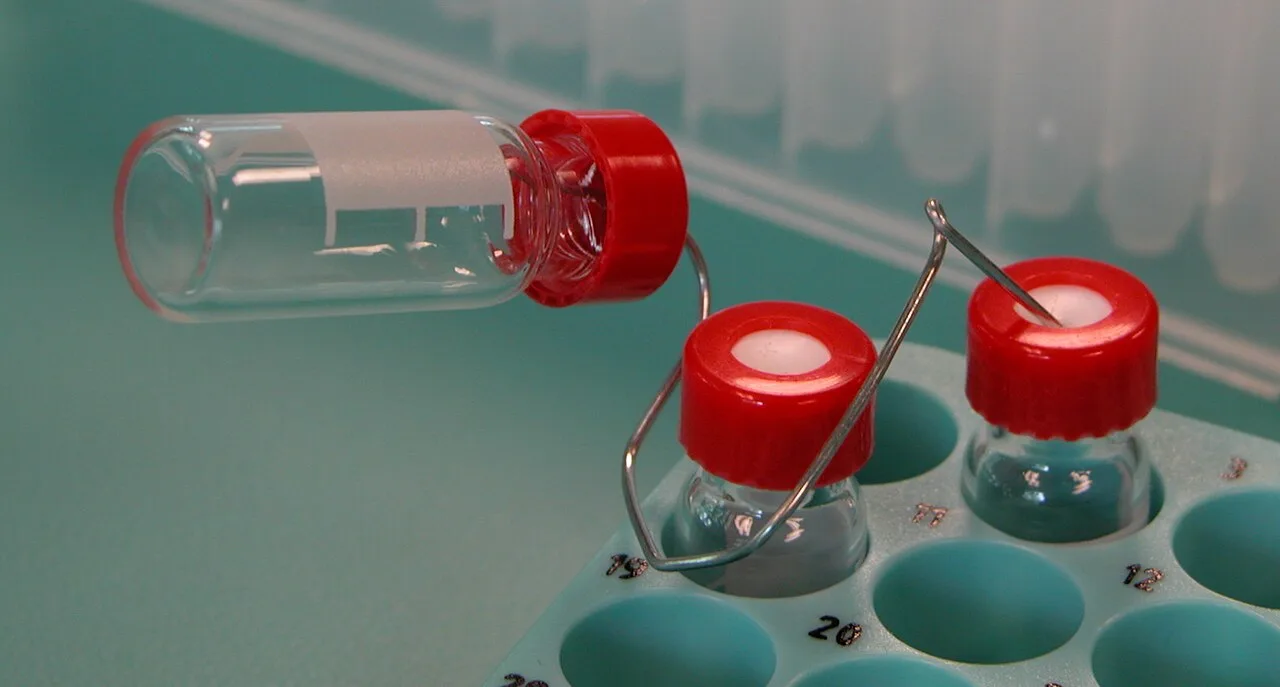
Research peptides are typically supplied lyophilized — freeze-dried into a dry powder. Lyophilization removes water, which shuts down the hydrolysis pathway and dramatically slows the others; it is the reason peptide storage guidance centers on the dry form. For TB-500 stability and storage, the lyophilized state is the most stable state, and standard laboratory practice treats it accordingly:
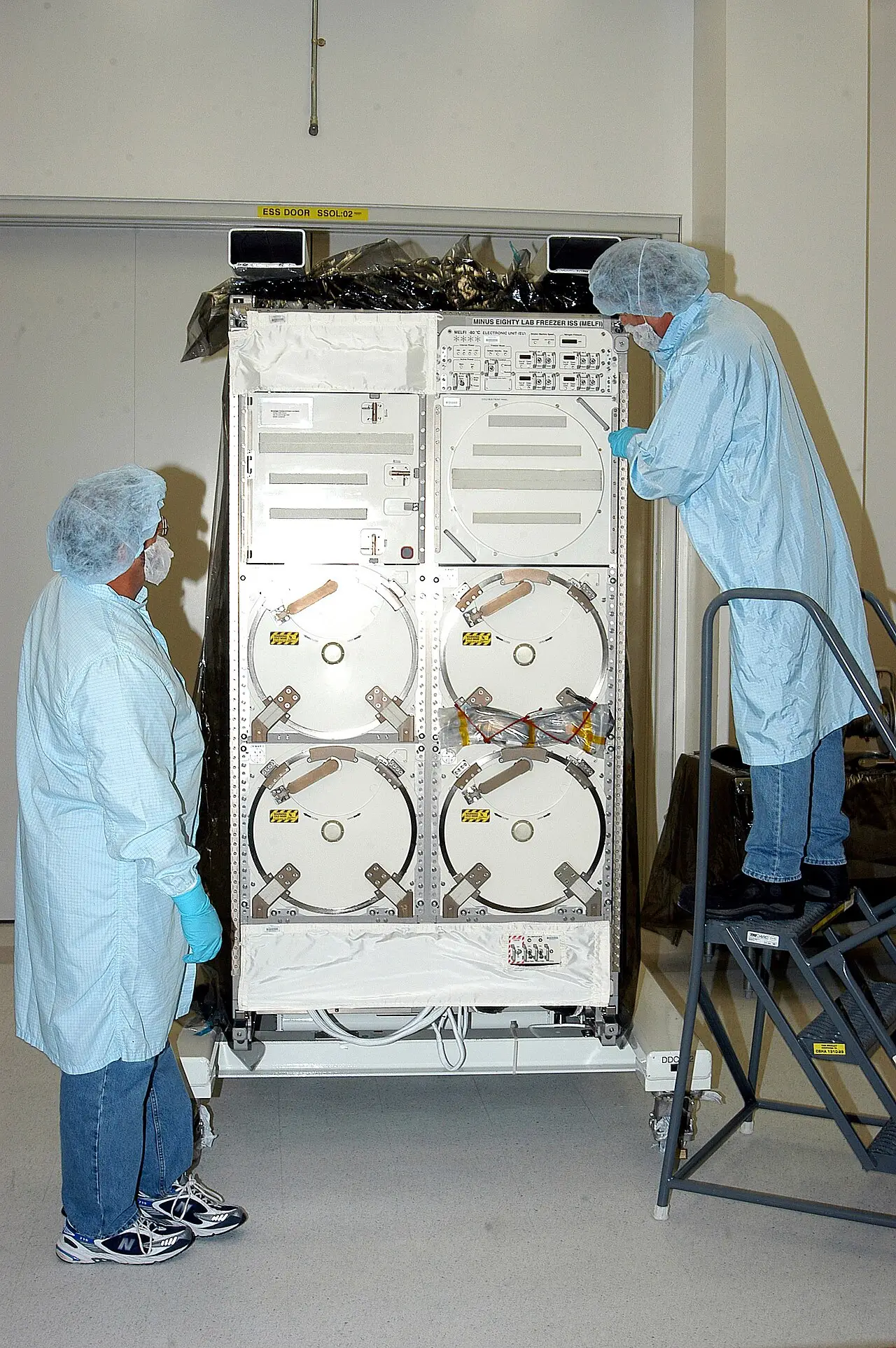
Store cold: −20°C or below
The standard laboratory recommendation for lyophilized peptides is freezer storage at −20°C or colder. Low temperature slows every degradation pathway simultaneously. This is the single highest-value TB-500 stability and storage practice.
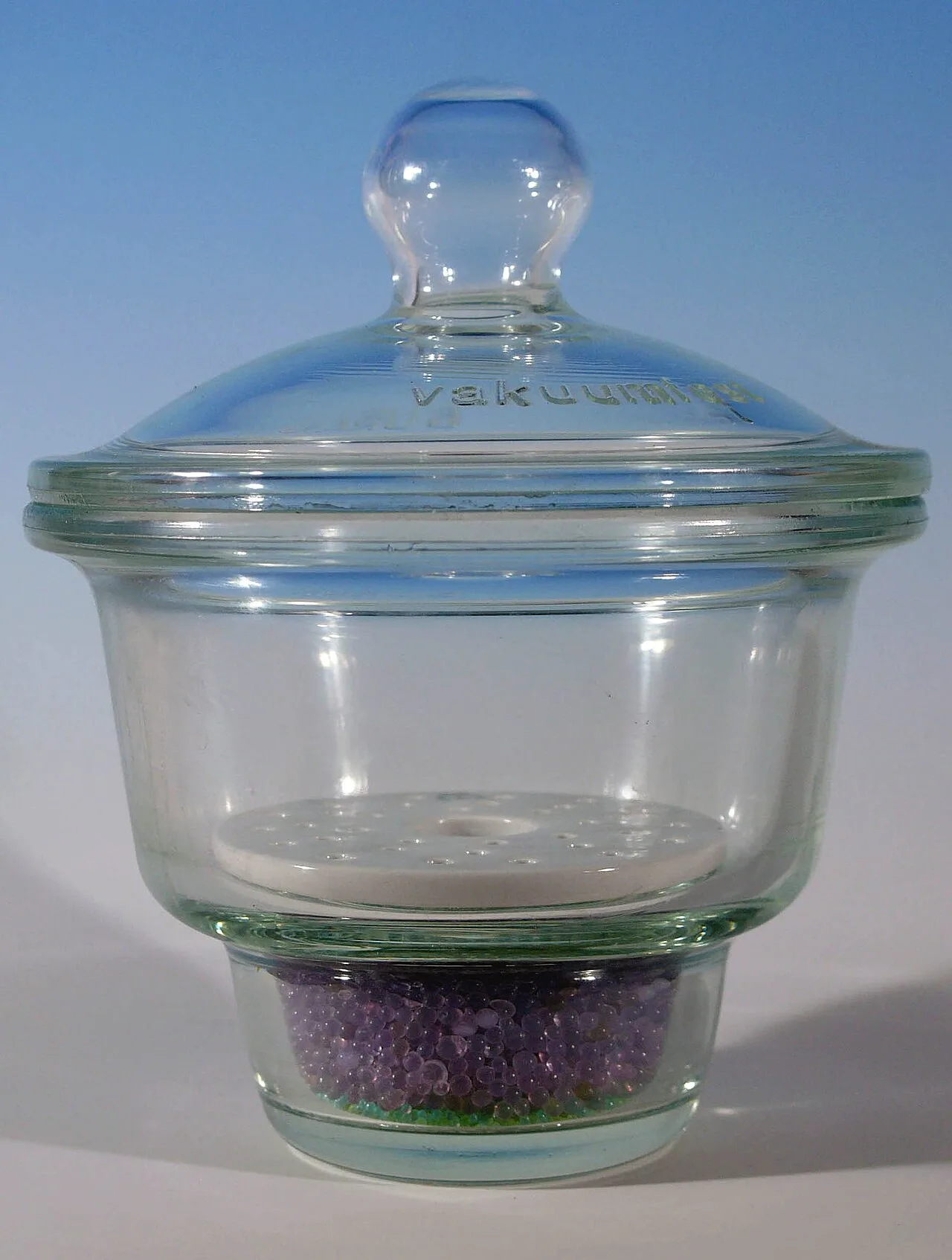
Keep it dry: sealed with desiccant
Moisture is the primary threat to the dry form — even ambient humidity entering an opened vial starts hydrolysis. Vials stay sealed until use, and desiccated storage conditions protect against humidity. Never store an unsealed vial.
Keep it dark
Light drives oxidative degradation pathways. Opaque or amber secondary containment, and freezers rather than benchtops, keep TB-500 stability and storage on the safe side of photochemistry.
Minimize temperature excursions
Every warming cycle is a small acceleration of degradation. Retrieve the vial, take what the protocol needs, and return it promptly — the freezer door should not become the vial’s second home.
Short-term vs. long-term
Laboratory practice commonly distinguishes working stocks (accessed regularly, kept at −20°C) from long-term archival stocks (kept colder, e.g. −80°C where available, and opened rarely). For TB-500 stability and storage over months to years, the archival approach — coldest available, least disturbed — is the conservative choice the literature supports.
Handling Prepared Solutions: General Laboratory Practice
Once a lyophilized peptide is brought into solution for laboratory work, the stability picture changes: water re-enables hydrolysis, and the clock starts. General laboratory practice for research-peptide solutions — applicable to TB-500 stability and storage in solution — follows a few consistent principles:
- Keep solutions cold. Refrigerated storage (2–8°C) for short working periods; freezer storage for longer holds, per protocol.
- Aliquot to avoid freeze-thaw cycles. Divide prepared material into single-use portions so no portion is repeatedly frozen and thawed — each cycle stresses the peptide.
- Use sterile technique and materials. Contamination introduces both microbes and enzymes that degrade peptides; solution handling happens under appropriate aseptic conditions.
- Protect from light. The same photochemistry that threatens the dry form applies in solution, often faster.
- Label everything. Compound, concentration context, preparation date, storage location, and handler — a solution without a label is a liability.
- Define a use window. Laboratory protocols specify how long a prepared solution remains qualified for use; beyond that window, it is discarded, not debated.

Note what this section does not contain: no preparation ratios, no diluent recommendations, no administration-adjacent detail. TB-500 stability and storage as a laboratory topic is about preserving material integrity — the principles above apply regardless of the downstream assay, and they stop well short of any instruction for use.
TB-500 Stability and Storage: Do and Don’t
| Do | Don’t |
|---|---|
| Store lyophilized vials at −20°C or below | Leave vials at room temperature for extended periods |
| Keep vials sealed and desiccated until use | Open vials in humid conditions or leave them unsealed |
| Protect material from light at every stage | Store vials or solutions on an illuminated benchtop |
| Aliquot solutions to avoid freeze-thaw cycles | Repeatedly freeze and thaw the same solution |
| Label with compound, date, and storage details | Keep unlabeled or ambiguously labeled material |
| Document storage conditions and any excursions | Assume a vial of unknown history is fine |
| Discard material past its qualified use window | Extend use windows without analytical verification |
The freeze-thaw problem, specifically
Repeated freezing and thawing is one of the most common silent killers of peptide integrity in working laboratories. Each cycle concentrates solutes as ice forms, stresses the molecule mechanically, and — across many cycles — measurably degrades material. In TB-500 stability and storage practice, aliquoting is the entire solution: freeze once, thaw once, use, discard the remainder per protocol.
When Stability Is Uncertain: Verification
Sometimes the question is not how to store the material but whether stored material is still good — after a freezer failure, an unknown storage history, or an extended hold. General laboratory practice answers this analytically, not by assumption:
- Analytical verification. Techniques such as HPLC and mass spectrometry can assess peptide identity and purity — the standard way laboratories confirm that stored material matches its specification.
- Document the excursion. Record what happened (temperatures, durations), quarantine the affected material, and verify before any further use.
- When in doubt, discard. The cost of replacing a research vial is trivial beside the cost of an experiment run on compromised material. TB-500 stability and storage discipline includes knowing when storage has failed.
The FDA’s drug information pages and NIH resources describe how stability and storage are treated as formal quality attributes in regulated contexts — a useful reminder that the principles here scale from research bench to regulated manufacturing.
Key Takeaways: TB-500 Stability and Storage
Cold, dry, dark, and undisturbed
The whole of TB-500 stability and storage practice compresses to four words: lyophilized material at −20°C or below, sealed against moisture, protected from light, with minimal temperature excursions. Every recommendation in this guide is a specific application of that principle. (Research framing only — laboratory practice, not usage guidance.)
Solutions are a different regime
Once in solution, the stability clock runs faster: cold storage, aliquoting against freeze-thaw, sterile technique, labeling, and defined use windows. And where TB-500-specific published data is absent — as it is for formal stability studies — the honest move is to follow general peptide science and say so, which this guide does throughout.
TB-500 Stability and Storage: Frequently Asked Questions
Practical questions laboratories ask about this topic — answered in general lab-practice framing.
What is the standard storage condition for lyophilized TB-500?
Standard laboratory practice for lyophilized research peptides, applicable to TB-500 stability and storage, is freezer storage at −20°C or below, with vials sealed, desiccated, and protected from light. Colder archival storage (e.g. −80°C where available) is the conservative choice for long-term holds.
Why does moisture matter so much?
Because water enables hydrolysis — the cleavage of the peptide’s amide bonds — which is the primary degradation pathway for dry peptides. In TB-500 stability and storage practice, keeping vials sealed and desiccated until use is the direct countermeasure, and opened vials should not linger in humid air.
How should prepared solutions be handled?
As a general laboratory matter: keep them cold, divide into aliquots to avoid repeated freeze-thaw cycles, use sterile technique, protect from light, label fully, and work within a defined use window. TB-500 stability and storage in solution is about preserving material integrity for the assay — nothing in this guidance concerns administration.
Are freeze-thaw cycles really a problem?
Yes — repeated freeze-thaw is one of the most common causes of silent peptide degradation in working labs. Each cycle stresses the molecule; across many cycles the damage is measurable. Aliquoting so each portion is frozen and thawed once is the standard TB-500 stability and storage solution.
What should a lab do after a freezer failure?
Document the excursion (temperatures, durations), quarantine the affected material, and verify analytically — e.g. HPLC and mass spectrometry for identity and purity — before any further use. When verification is not possible, the conservative TB-500 stability and storage answer is to discard the material rather than risk compromised experiments.
Where do laboratories source research peptides?
For laboratory research use, peptides are supplied as research vials by specialty suppliers — for example our Semax 10mg and Selank 10mg research listings. For related research context, see our selank vs semax comparison and our Semax and Selank nasal spray research overviews. Nothing here recommends human use of any compound.
TB-500 Stability and Storage: Final Research Notes
TB-500 stability and storage is ultimately a discipline of respect for the material: the peptide is chemically vulnerable, the degradation pathways are well understood, and the countermeasures — cold, dry, dark, aliquoted, labeled, documented — are neither expensive nor complicated. What they require is consistency, because stability is lost not in single dramatic failures but in the slow accumulation of small lapses: the vial left on the bench, the solution frozen a fourth time, the label never written.
The honest boundary of this guide is worth restating: formal published stability data specific to TB-500 is limited, so these recommendations rest on general peptide science and standard laboratory practice rather than compound-specific studies. Within that boundary, though, the guidance is solid — and a laboratory that follows it can trust that its material, and therefore its data, is what it claims to be.