Peptide aliquoting best practices are the quiet habits that keep research materials usable for months instead of weeks. Aliquoting — dividing a stock of peptide solution into small, single-use portions — protects the bulk material from the two great enemies of peptide stability: repeated freeze–thaw cycles and cumulative contamination. Every time a researcher opens a vial, pipettes from it, and returns it to the freezer, the remaining material pays a small price; peptide aliquoting best practices make sure that price is paid once per portion instead of again and again by the whole stock. This guide covers peptide aliquoting best practices as general laboratory principles: why labs aliquot, how to do it cleanly, how to label and store the portions, and the mistakes that undo the whole effort. No recipes, no measurements — just the principles that make aliquoting work.
Research-use-only disclaimer: All peptides discussed on yourfitnesspeptides.com, including Semax and Selank, are sold strictly for laboratory research use only. They are not medicines, not dietary supplements, and are not approved by the FDA. This article is educational. It contains no dosage information, no administration instructions, and no medical advice — and these peptide aliquoting best practices describe laboratory sample handling, not human use.
What Aliquoting Means — and Why Peptide Labs Rely on It
An aliquot is simply a portion of a larger sample, divided off for individual use. In peptide research, the pattern is familiar: a vial of lyophilized peptide arrives — like the research vials in our Semax 10mg and Selank 10mg listings — it is brought into solution for experiments, and the resulting stock must then survive weeks or months of repeated use. Without aliquoting, every experiment draws from the same container, and every draw is another warming, another exposure to air and pipette tips, another trip through the freezer door.
The science behind peptide aliquoting best practices is straightforward. Each freeze–thaw cycle stresses dissolved peptides: ice crystal formation, pH shifts as buffers freeze unevenly, and concentration spikes in the shrinking liquid phase all promote aggregation and chemical degradation. Studies of peptide and protein stability consistently show that damage accumulates with cycle count — the tenth thaw is worse than the second. Aliquoting converts that arithmetic: instead of one vial enduring ten cycles, ten vials endure one cycle each. The total material experiences the same single thaw it would have anyway, and the remaining nine portions stay pristine in the freezer.
The one-cycle rule. The heart of peptide aliquoting best practices is simple: each aliquot is thawed once and used, never refrozen. If an experiment needs material on ten separate days, the lab prepares at least ten aliquots. Refreezing a thawed aliquot “to save it” defeats the entire purpose of dividing the stock.
Peptide Aliquoting Best Practices: The Core Principles
Before the step-by-step, the principles behind peptide aliquoting best practices — the rules that govern every good aliquoting session:
1. Divide by intended use, not by habit
Aliquot sizes should match how the material will actually be consumed — one aliquot per experiment, per assay plate, or per analytical run. Portions sized to real workflows mean nothing is thawed and discarded, and nothing is stretched across uses it was not meant for.
2. Minimize time at ambient temperature
Peptide solutions degrade faster warm than cold. Peptide aliquoting best practices call for working briskly, keeping source and destination vessels chilled where the protocol allows, and returning finished aliquots to frozen storage promptly — not at the end of the day.
3. One touch, one tip, one chance of contamination
Every pipette tip that enters a vessel is a contamination opportunity. Use a fresh sterile tip for each transfer, never return withdrawn liquid to the stock, and treat the source vial as the most precious thing on the bench — because it is.
4. Label before you fill
Unlabeled tubes are a classic lab failure mode. Vessel identity, contents, date, and operator go on before liquid goes in — a tube that is filled first and labeled “in a minute” is a tube that will be mislabeled.
5. Document everything
Record the source lot, the date, the number of aliquots, and where they are stored. Months later, when a result needs tracing back to its material, this log is the difference between an answer and a shrug.
Aliquoting in Practice: A Step-by-Step Session
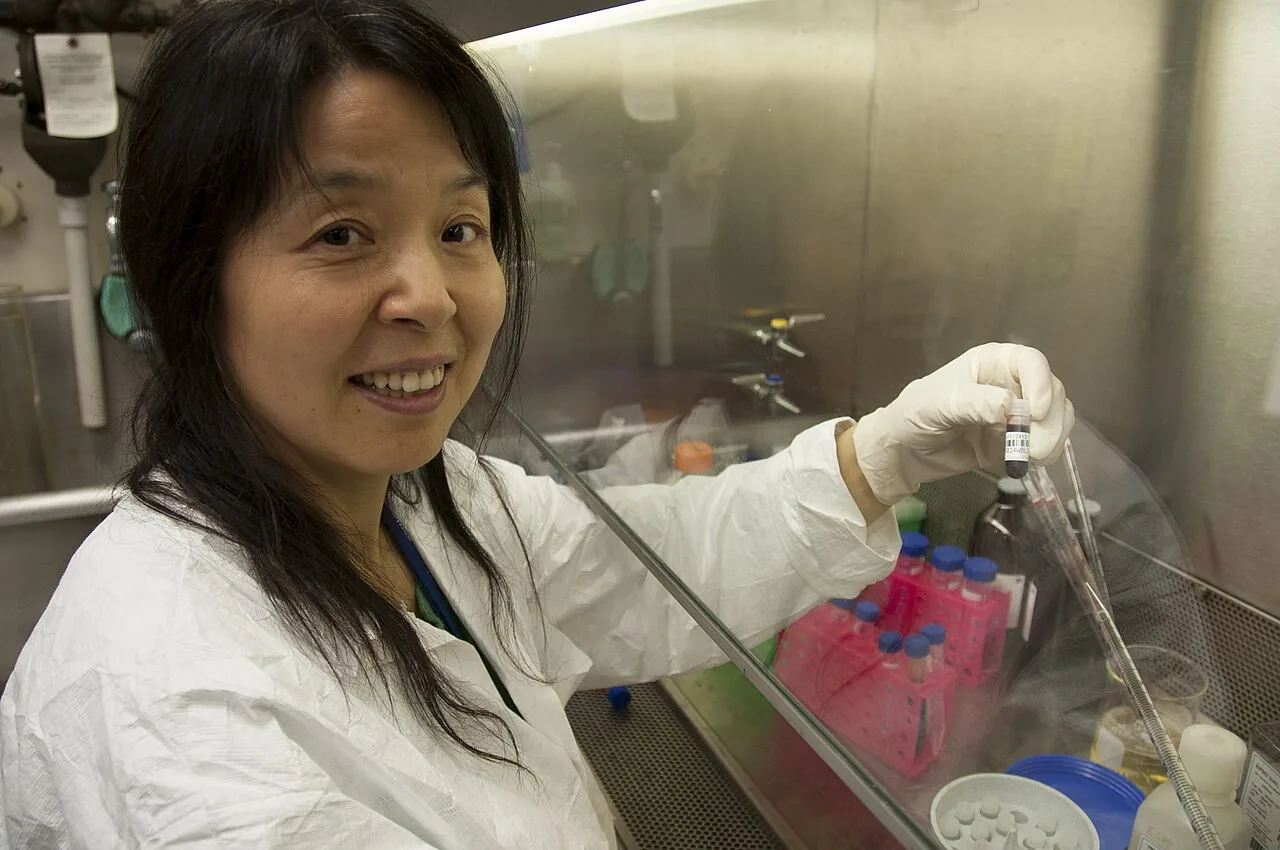
Here is how peptide aliquoting best practices look as an actual bench session, from setup to freezer:
Step 1 — Prepare the workspace
Clear the bench, wipe it down, and lay out everything needed: the source vial, pre-labeled destination tubes, fresh sterile tips, and a rack. Hunting for supplies mid-session is how contamination and mix-ups happen.
Step 2 — Label every destination tube first
Compound name, concentration or dilution identifier, date, and your initials — on every tube before any liquid moves. Cryo-rated labels or markers that survive freezer storage; ordinary ink that smears at −80 °C is worse than no label at all, because it pretends to identify the tube.
Step 3 — Inspect the source
Check the source vial visually before dividing it: the solution should be clear, with no unexpected cloudiness, precipitate, or discoloration. An off-looking stock should be investigated, not aliquoted — dividing a compromised stock just produces many compromised aliquots.
Step 4 — Transfer with fresh tips, working briskly
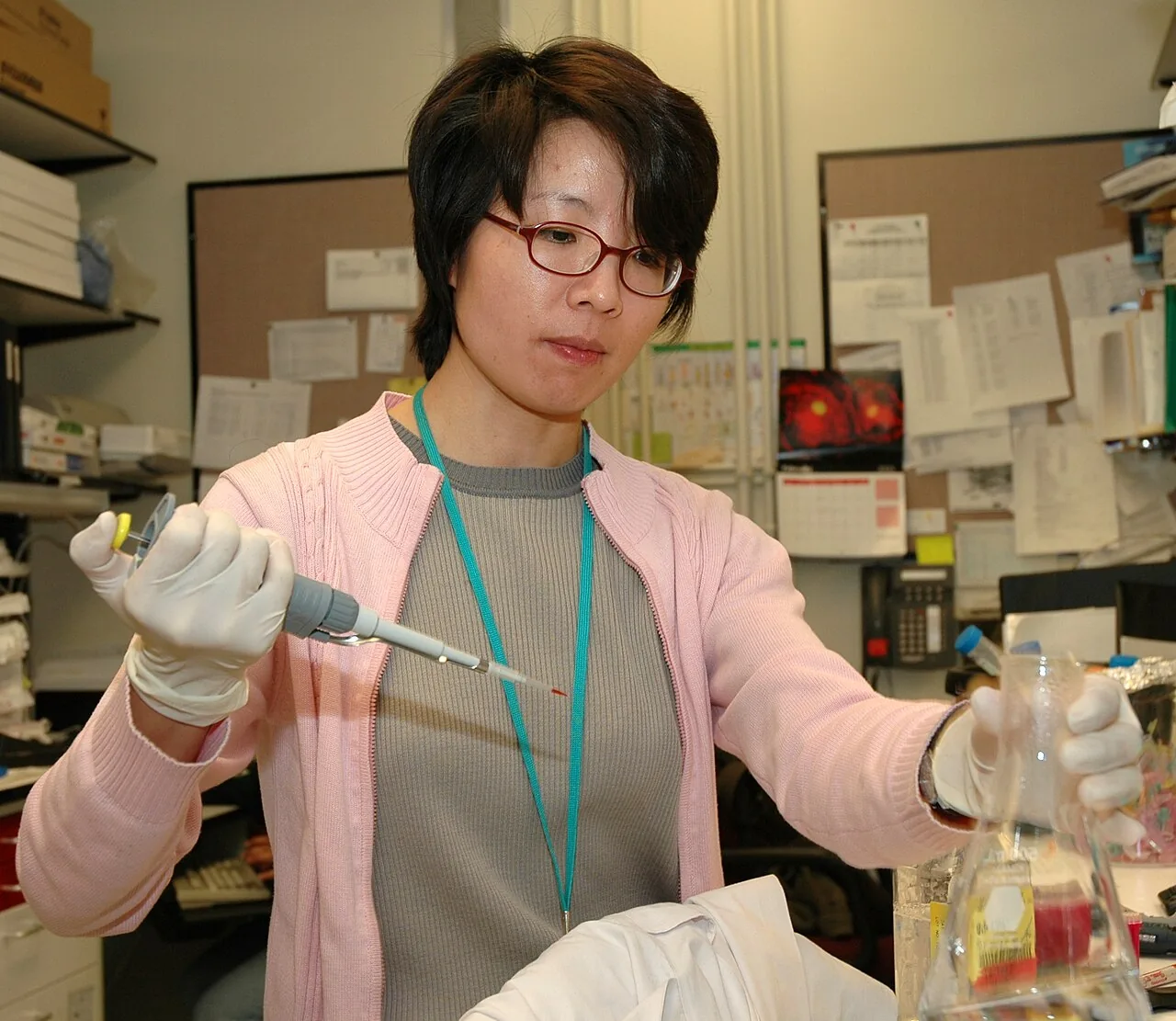
Using a calibrated pipette and a new sterile tip for each destination tube, divide the stock into the pre-labeled tubes. Work steadily and keep vessels capped or chilled between transfers. Never pipette back into the source vial.
Step 5 — Seal, verify, and freeze promptly
Cap each tube securely, double-check that every label is legible and correct, then move the full set to frozen storage without delay. Log the session: source lot, date, aliquot count, storage location.
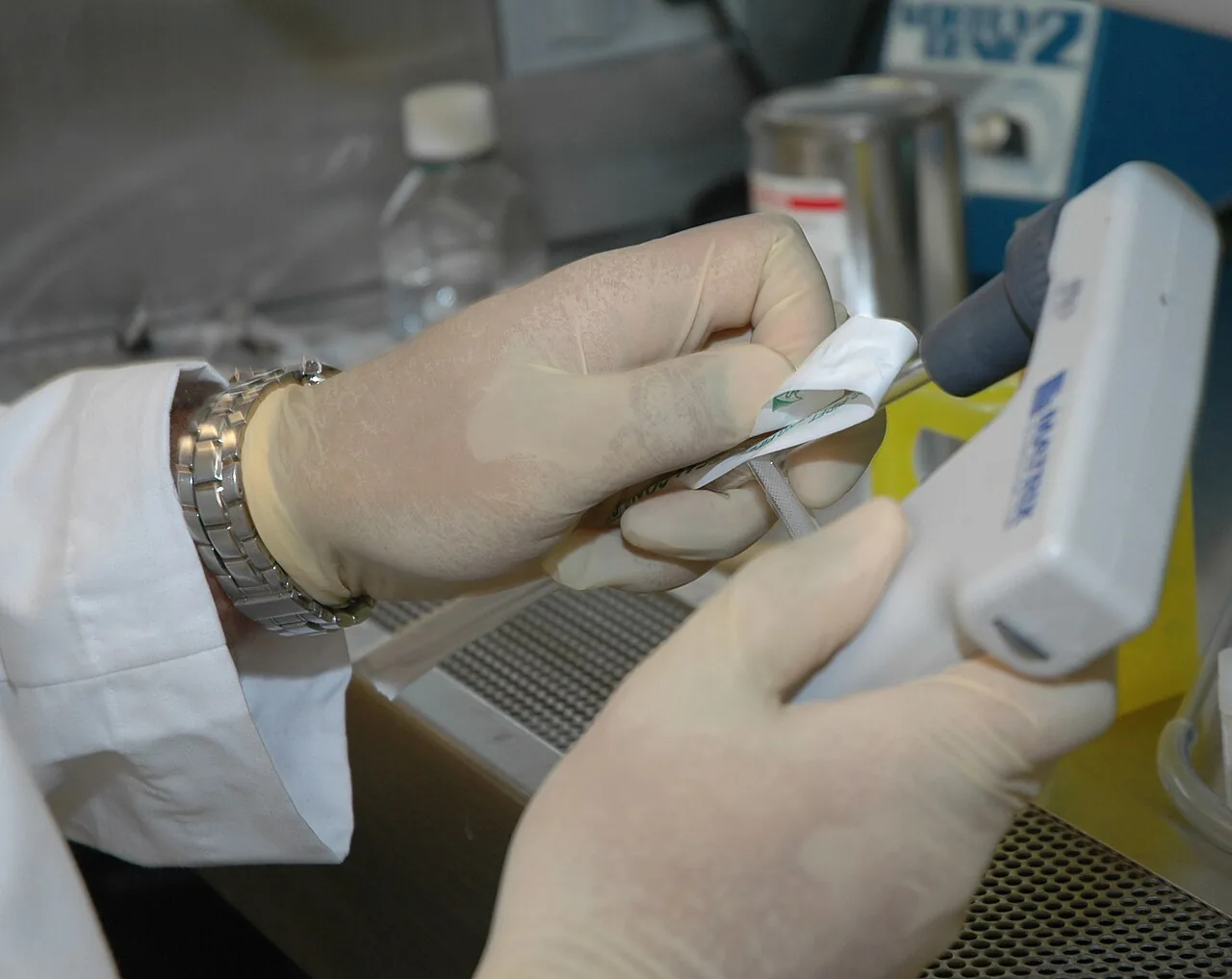
Low-binding vessels matter. Peptides can adsorb onto ordinary plastic surfaces — a real, documented phenomenon (see adsorption) — quietly lowering the concentration of stored solutions. Among peptide aliquoting best practices, choosing low-protein-binding tubes for aliquots is one of the highest-value upgrades: it protects against a loss mechanism that is invisible until the data drifts.
Peptide Aliquoting: Do and Don’t
The fastest summary of peptide aliquoting best practices — what to do, and the mistakes that undo it:
| Do | Don’t | Why it matters |
|---|---|---|
| Thaw each aliquot once and use it | Refreeze thawed aliquots | Repeated freeze–thaw cycles degrade peptides cumulatively |
| Label tubes before filling | Fill first, label later | Unlabeled tubes get misidentified; misidentified samples get discarded |
| Use a fresh sterile tip per transfer | Reuse tips between tubes | Tip reuse carries material between aliquots and into the stock |
| Work briskly; freeze promptly | Leave aliquots on the bench | Warm solutions degrade faster than cold ones |
| Use low-binding tubes | Store in whatever tube is handy | Surface adsorption silently reduces concentration |
| Log source lot, date, and location | Trust memory | Traceability is what makes old aliquots usable with confidence |
| Inspect the source before dividing | Aliquot a cloudy or off-looking stock | Dividing a compromised stock multiplies the problem |
| Match aliquot size to real use | Make arbitrary portions | Oversized aliquots get wasted; undersized ones complicate workflows |
Storage and Labeling: Where Aliquots Live
Aliquoting only pays off if the portions are stored correctly, which is why peptide aliquoting best practices extend past the bench into the freezer. Long-term peptide aliquots belong in frozen storage — typically a −80 °C freezer for archival stocks — in organized, labeled boxes rather than loose bags. Boxes should be mapped: a simple grid log (box, row, column) means any aliquot can be found without opening the freezer door for a ten-minute hunt, and every avoided door-opening is a small stability win for everything inside.
Labels deserve the same seriousness as the science. A complete aliquot label carries the compound identity, the preparation date, the source lot, and the operator’s initials — enough that a stranger could pick up the tube in two years and know exactly what it is. Cryopreservation practice has converged on the same lesson across biology: the sample you cannot identify with certainty is a sample you cannot use. Researchers working through comparative studies — like our Selank vs Semax research comparison — depend on exactly this kind of traceability to keep parallel compound tracks from contaminating each other, literally and figuratively.
Plan for the freezer, not just the bench. A subtle point in peptide aliquoting best practices: aliquots are small and freezers are shared. Before a big aliquoting session, confirm there is rack space in the right freezer — discovering afterward that archival aliquots must live in a frost-free −20 °C unit (with its damaging auto-defrost cycles) is a planning failure, not a stroke of bad luck.
Common Mistakes That Break Peptide Aliquoting Best Practices
Even labs that understand peptide aliquoting best practices in principle stumble on the same handful of errors — and recognizing them is part of the practice:
- The “just this once” refreeze. Thawing an aliquot, using half, and refreezing the rest feels thrifty. It is the single most common violation, and it reintroduces exactly the freeze–thaw damage aliquoting was meant to prevent. Size aliquots to avoid leftovers instead.
- Mystery tubes. A tube labeled “S 3/12” means nothing to anyone, including its author, six months later. Abbreviations are fine only when the key is written down next to them.
- Bench marination. Aliquots prepared in the morning and frozen after lunch have spent hours at room temperature. The session is not over until the tubes are in the freezer and the log is written.
- Shared-stock roulette. Multiple researchers drawing from one working vial without a protocol is how contamination and mislabeling propagate. Either aliquot per user or designate one person per stock.
- Ignoring the source’s age. Aliquoting does not rejuvenate a degraded stock. If the source material is old or was stored poorly, verify it (see our guide on Semax nasal spray research for how analytical framing applies) before investing the effort of dividing it.
Our Selank nasal spray research overview stays in the same careful lane — describing research formats and handling without drifting into use guidance — which is the register these practices belong in.
Key Takeaways: Peptide Aliquoting Best Practices
Divide stocks into single-use portions sized to real workflows, label before filling, use fresh sterile tips and low-binding tubes, work briskly and freeze promptly, and never refreeze a thawed aliquot. Log every session so each tube remains traceable to its source lot. These peptide aliquoting best practices are not complicated — their power is in being followed every single time, because the one skipped session is the one that contaminates the stock. (Research framing only — laboratory sample-handling principles, not human-use guidance.)
Peptide Aliquoting Best Practices: Frequently Asked Questions
Straight answers to the questions researchers ask about peptide aliquoting best practices — dividing and storing peptide stocks.
Why should peptide stocks be aliquoted instead of used from one vial?
Because every opening, warming, and pipetting stresses the material, and freeze–thaw damage accumulates with each cycle. Peptide aliquoting best practices divide the stock so each portion endures a single thaw while the rest stays pristine — converting ten damaging cycles on one vial into one harmless cycle on each of ten vials.
Can a thawed aliquot be refrozen if it was not fully used?
No — that is the central rule these peptide aliquoting best practices exist to enforce. Refreezing reintroduces the freeze–thaw damage the aliquot was created to avoid. The correct fix is sizing aliquots to match real consumption so leftovers rarely occur.
What information belongs on an aliquot label?
Compound identity, preparation date, source lot number, and operator initials at minimum — enough that someone unfamiliar with the project could identify the tube with certainty years later. Use cryo-rated labels or markers that survive freezer storage; labels that smear or fall off at low temperature defeat the purpose.
Do aliquot tubes really need to be low-binding?
For peptide work, yes. Peptides adsorb onto ordinary plastic surfaces, which silently lowers the concentration of stored solutions. Low-protein-binding tubes are a cheap, high-value precaution and a standard entry in peptide aliquoting best practices for exactly that reason.
How should aliquots be organized in the freezer?
In labeled, mapped boxes — not loose bags. A simple grid log (box, row, column) lets any aliquot be located without prolonged freezer-door openings, and every avoided door-opening protects the stability of everything stored inside.
Where can researchers source peptides for laboratory aliquoting work?
Research-use peptides arrive as laboratory vials ready for the handling described here — see our Semax 10mg and Selank 10mg research listings. Source only from suppliers explicit about research-use-only status, and begin peptide aliquoting best practices from the first handling session.
Peptide Aliquoting Best Practices: Final Research Notes
Peptide aliquoting best practices boil down to a compact discipline: divide by real use, label before filling, keep everything clean and cold, freeze promptly, log the session, and never refreeze. None of it requires expensive equipment or advanced training — just consistency, because aliquoting works through prevention, and prevention only works when it happens every time. Labs that build these habits protect both their materials and their data; labs that skip them pay for it in degraded stocks and unexplained variability.
Kept in that research frame, peptide aliquoting best practices represent one of the highest-return habits in peptide science: a few careful minutes at the bench, repaid across every experiment the stock will ever support.