
TB-500 Key Research Findings: A Roundup of the Most-Cited Published Results
TB-500 sits at a strange intersection: widely discussed, poorly summarized. Most of what circulates about it online is either marketing copy or forum anecdote — neither of which is research. This article takes a different approach: a roundup of the TB-500 key research findings that actually appear in the published literature, organized by finding rather than by date. TB-500 is described in the literature as a synthetic version of thymosin beta-4, a naturally occurring peptide found in nearly all human and animal cells. The findings below come from published studies on thymosin beta-4 and its synthetic counterpart — presented as research topics, with no human-use claims and no invented results.
Research-use-only disclaimer: All products on this site are sold strictly for laboratory research use. TB-500 is not an FDA-approved drug and is not a medicine. This article summarizes published research findings only. It contains no dosage information, no administration instructions, and no medical advice.
How to Read TB-500 Key Research Findings
Before the findings, a note on interpretation. When researchers talk about the TB-500 key research findings, they are really talking about two overlapping bodies of literature: studies on endogenous thymosin beta-4 itself, and studies on synthetic TB-500 as a research compound. The findings interleave because the synthetic peptide was developed from the natural one. Throughout this roundup, “the literature” means peer-reviewed published studies, and every finding is described as what was investigated — not as proof of any human outcome. Animal-model results do not transfer to humans, in-vitro results do not transfer to whole organisms, and “studied” never means “proven.” With that framing, here are the findings researchers cite most.
What this roundup is not. This is a findings roundup, not a timeline and not a review paper. It does not rank findings by importance, report effect sizes, or synthesize conclusions across studies. For the compound’s background, the thymosin beta-4 article on Wikipedia covers the natural peptide’s biology.
Finding 1: Actin Binding and Cell Migration — The Mechanistic Foundation
The most-cited mechanistic thread in the TB-500 key research findings is also the oldest: thymosin beta-4 binds actin. Actin is the protein that forms the cell’s internal skeleton, and cell movement depends on actin filaments assembling and disassembling. Published research has characterized thymosin beta-4 as a G-actin–sequestering peptide — it binds individual actin monomers and regulates their availability for filament formation.
Why does this matter? Because cell migration sits upstream of nearly every other finding in this roundup. Wound closure, new blood vessel formation, and tissue remodeling all require cells to move in coordinated ways, and a peptide that regulates the actin machinery is a natural subject for research into all of them. When you see the TB-500 key research findings on wound healing or cardiac repair discussed in the literature, the actin mechanism is usually the proposed starting point — the “how it could work” behind the “what was observed.”
43 amino acids
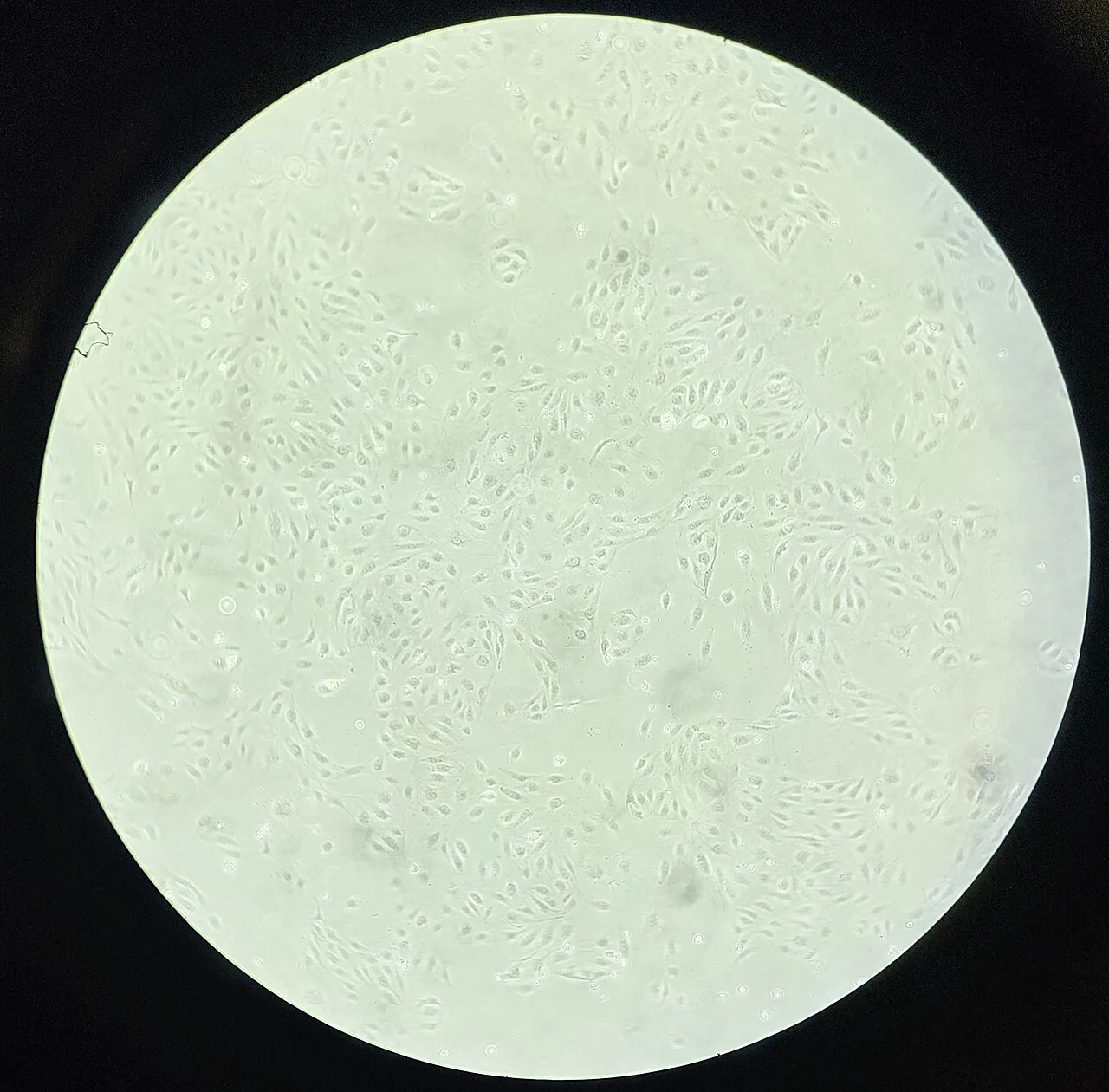
Thymosin beta-4 — the natural peptide TB-500 is derived from — is a 43-amino-acid peptide found in nearly all human and animal cells, with particularly high concentrations in blood platelets and wound fluid. Its small size and wide distribution made it an early subject of cell-biology research.
Finding 2: Dermal Wound Healing Research
Among the TB-500 key research findings, wound-healing studies form one of the largest clusters in the literature. Published animal studies have investigated thymosin beta-4 in models of dermal wound repair, examining endpoints like wound closure and tissue remodeling. The research interest follows directly from the mechanism: if a peptide regulates cell migration, then wounds — which close by coordinated cell migration — are the obvious test case.
This line of research also illustrates how findings compound. Early wound-healing observations motivated more specific investigations: different wound types, different delivery formats, and combination with other factors. Each study in the cluster cites the earlier ones, which is part of why wound healing appears so prominently whenever the TB-500 key research findings are summarized. It is worth repeating the caveat that matters most here: accelerated wound closure in an animal model is a research observation, not a clinical claim.
Finding 3: Corneal and Ocular Research
A distinct and notable branch of the TB-500 key research findings concerns the eye. Published research has investigated thymosin beta-4 in corneal wound-healing models, and ophthalmic (eye-drop) formulations have been studied in clinical research settings for corneal conditions. The cornea is an attractive research target for a migration-regulating peptide: it must heal quickly and clearly, and its healing depends heavily on coordinated cell movement across the wound surface.
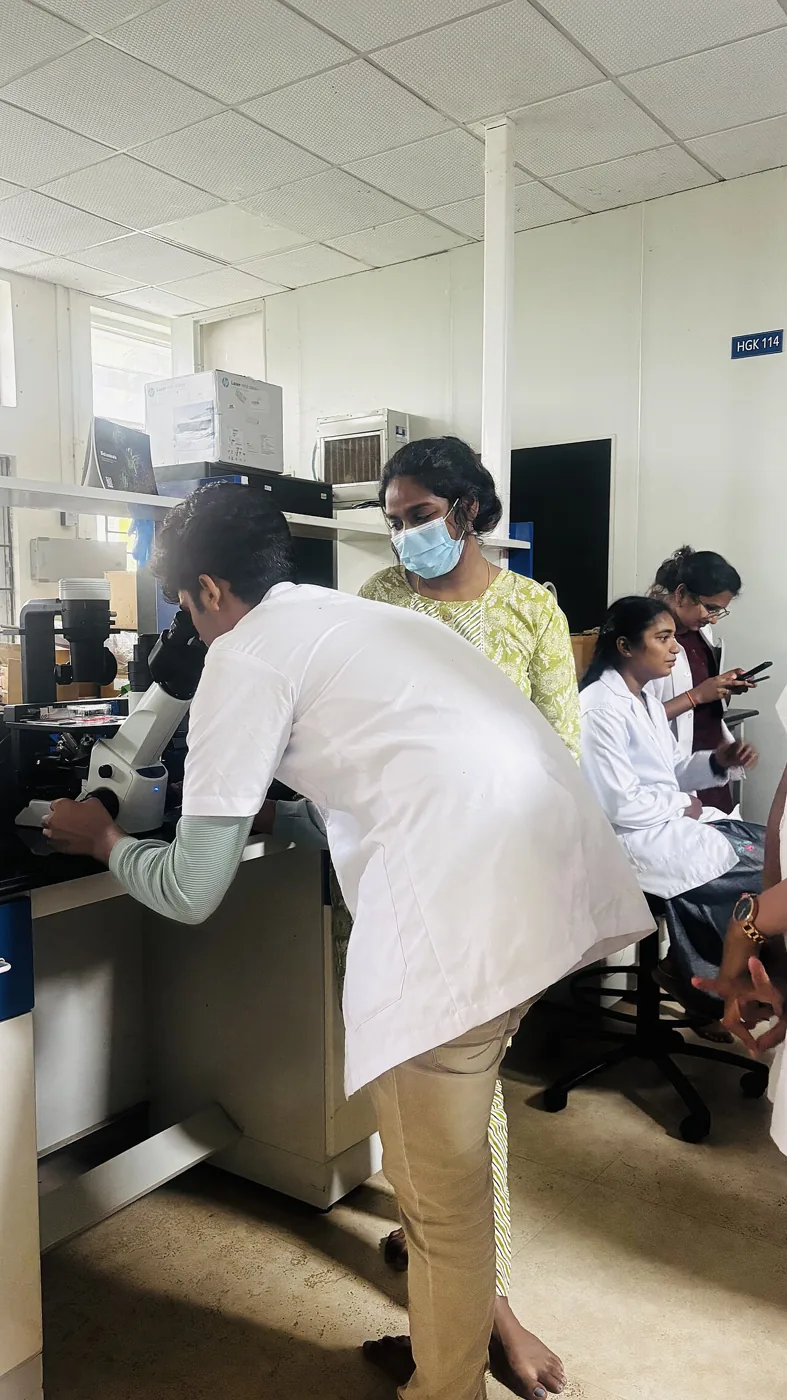
The ocular work is also where the findings literature intersects with formulation research — a reminder that a compound’s studied effects and its studied delivery formats develop together. We cover delivery formats as their own research topic in our companion guide to studied formats, and our overviews of Semax nasal spray and Selank nasal spray research show how other peptides’ format research is documented in the same research-use framing.
Why the eye matters to researchers. Corneal studies are among the few places where thymosin beta-4 research reached human clinical investigation rather than staying in animal models. That makes this branch of the TB-500 key research findings unusually well-documented — and also the branch where the gap between “studied” and “approved” is most instructive, since the compound remains unapproved.
Finding 4: Cardiac Repair Research in Animal Models
Perhaps the most ambitious branch of the TB-500 key research findings is cardiac: published animal studies have investigated thymosin beta-4 in models of myocardial injury — heart attack models — examining cardiac tissue repair and remodeling. The heart is a difficult target because adult cardiac muscle regenerates poorly, so any compound investigated in this space attracts attention.
The cardiac findings rest on the same mechanistic foundation as the rest of the roundup: cell migration, new vessel formation (angiogenesis), and modulation of the injury response. Published studies have reported observations consistent with improved repair markers in animal models following cardiac injury. As always with this literature, the findings are model-specific observations — they describe what happened in the experimental system, and they do not constitute evidence about human cardiac outcomes. Researchers surveying this space can trace the primary literature through PubMed.
Finding 5: Anti-Inflammatory and Tissue Remodeling Investigation
Running through several of the TB-500 key research findings is a secondary theme: modulation of inflammation and fibrosis. Published studies have investigated anti-inflammatory properties of thymosin beta-4 in various models, and related work has examined effects on fibrotic (scarring) processes during tissue repair. Inflammation and scarring are central to how tissues respond to injury, so this theme connects the wound, cardiac, and ocular findings into a broader picture of injury-response modulation.
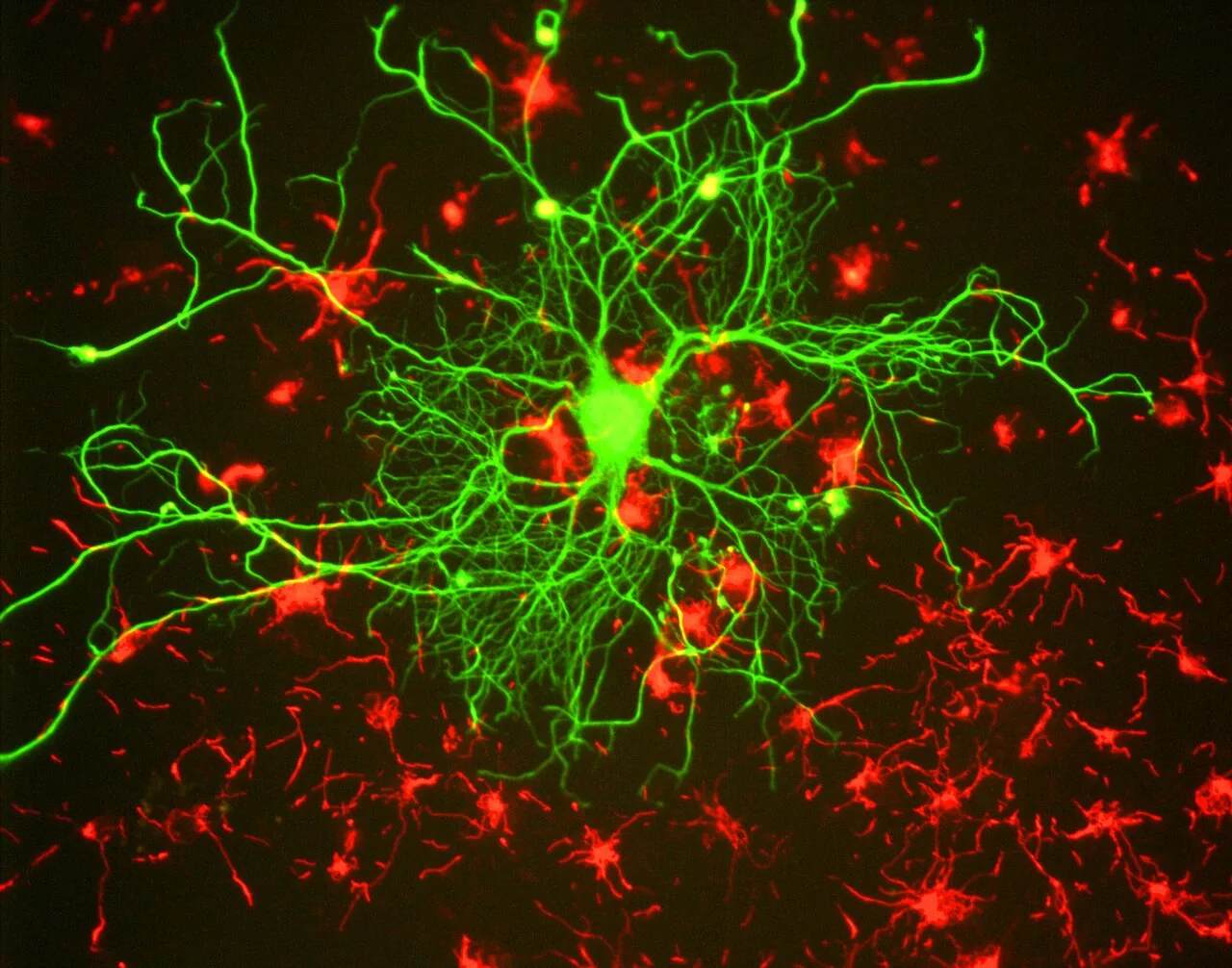
This is also the finding cluster where interpretation requires the most care. Inflammation is a complex, context-dependent process — suppressing it is not universally beneficial, and a research observation of “anti-inflammatory effects” in one model says nothing about net effects in another. The literature treats these as mechanistic observations to be explored, not as therapeutic conclusions. That distinction is the difference between reading research and misreading it.
Finding 6: Hair Follicle Research
The final entry in this roundup of TB-500 key research findings is the most narrowly scoped: published studies have investigated thymosin beta-4 in hair growth models, including effects on hair follicle cells. Like the wound-healing work, the rationale traces back to cell migration and tissue remodeling — hair follicles cycle through growth phases that depend on coordinated cellular activity.
This finding earns its place not because of its scale but because of its specificity: it shows how far the core mechanism has been followed into distinct tissue systems. From skin to cornea to heart to hair follicle, the TB-500 key research findings describe a single mechanistic idea — actin regulation and cell migration — tested across many biological contexts. That pattern is characteristic of how a well-studied research compound’s literature grows.
TB-500 Key Research Findings at a Glance
The table below summarizes the six finding clusters covered in this roundup of TB-500 key research findings — what was investigated, in what kind of model, and what ties each cluster to the others.
| Finding cluster | What the literature investigated | Typical model systems | Link to the core mechanism |
|---|---|---|---|
| Actin binding and cell migration | G-actin sequestration and regulation of cell movement | Cell culture, biochemical assays | The mechanism itself |
| Dermal wound healing | Wound closure and tissue remodeling | Animal wound models | Migration-dependent repair |
| Corneal and ocular research | Corneal wound healing; ophthalmic formulations | Animal models; clinical research | Migration across wound surfaces |
| Cardiac repair | Tissue repair after myocardial injury | Animal cardiac injury models | Migration, angiogenesis, injury response |
| Anti-inflammatory and remodeling effects | Inflammation modulation, fibrosis-related processes | Cell and animal models | Injury-response modulation |
| Hair follicle research | Follicle cell activity and hair growth models | Cell and animal models | Migration in tissue cycling |
What the literature does not establish. No finding in this roundup constitutes evidence of safety or efficacy in humans. Animal-model and cell-culture results are research observations within their experimental systems. TB-500 is not an FDA-approved drug, and it appears on the World Anti-Doping Agency’s prohibited list. The TB-500 key research findings are findings about research — valuable for understanding the science, not for any human application.
For researchers comparing compounds across the peptide literature, our Selank vs Semax research comparison applies the same findings-first approach to two other widely discussed research peptides. And as with all compounds on this site — including Semax 10mg and Selank 10mg — materials are supplied strictly as research vials for laboratory use.
Key takeaways: TB-500 key research findings
- The TB-500 key research findings center on thymosin beta-4, the natural 43-amino-acid peptide TB-500 is derived from, and its synthetic counterpart as a research compound.
- The mechanistic foundation — actin binding and regulation of cell migration — underlies every other finding cluster in the literature.
- The most-cited research areas are dermal wound healing, corneal/ocular research, cardiac repair in animal models, anti-inflammatory and remodeling investigation, and hair follicle research.
- Findings are model-specific observations: cell culture, animal models, and limited clinical research — none of which establish human safety or efficacy.
- TB-500 is not FDA-approved and is WADA-prohibited; the findings describe research, not any basis for human use.
Research framing only — a summary of published findings, not guidance for any use.
TB-500 Key Research Findings: Final Notes
Stepping back, the TB-500 key research findings tell a coherent scientific story: a small, widely distributed natural peptide with a well-characterized biochemical job — regulating actin — investigated across every tissue system where cell migration matters. Skin, cornea, heart, and hair follicle are different organs, but the research question was recognizably the same in each. That coherence is what makes the literature worth rounding up, and it is also what makes it easy to misread: a coherent mechanism is not the same as a proven therapy, and decades of citations do not convert research observations into medical facts.
The honest way to hold the TB-500 key research findings is as a map of what has been asked, not a ledger of what has been proven. For researchers, that map is genuinely useful — it shows where the evidence clusters, where it thins out, and where the next questions lie. Everything else, the literature leaves for future work.
TB-500 Key Research Findings: Frequently Asked Questions
Quick answers to common questions about the TB-500 key research findings literature.
What is TB-500 in relation to thymosin beta-4?
TB-500 is described in the literature as a synthetic version of thymosin beta-4, a naturally occurring 43-amino-acid peptide found in nearly all human and animal cells. Research findings on the two overlap heavily because the synthetic compound was developed from the natural peptide.
What is the core mechanism studied for TB-500?
Actin binding and regulation of cell migration. Published research characterizes thymosin beta-4 as a G-actin–sequestering peptide that regulates actin filament dynamics, which underlies cell movement. This mechanism is the proposed basis for the wound-healing, cardiac, and ocular findings in the literature.
Which research areas have the most published findings on TB-500?
The largest clusters in the TB-500 key research findings literature are dermal wound healing, corneal and ocular research, cardiac repair in animal models, anti-inflammatory and tissue remodeling investigation, and hair follicle research — all tracing back to cell migration and injury response.
Has TB-500 been studied in humans?
The ocular branch includes clinical research on ophthalmic thymosin beta-4 formulations, but the bulk of the literature is cell-culture and animal-model work. TB-500 is not an FDA-approved drug, and research observations do not establish human safety or efficacy.
Is TB-500 the same as thymosin beta-4?
Not exactly. Thymosin beta-4 is the endogenous 43-amino-acid peptide; TB-500 is a synthetic research compound derived from it. The literature on the two is closely related but they are distinct entities — a distinction worth keeping straight when reading studies.
Where can researchers read the primary studies?
Peer-reviewed findings are indexed in databases like PubMed. When reading, note the model system (cell, animal, or clinical), the compound actually tested, and whether the study’s conclusions stay within its experimental system.



1 Comment