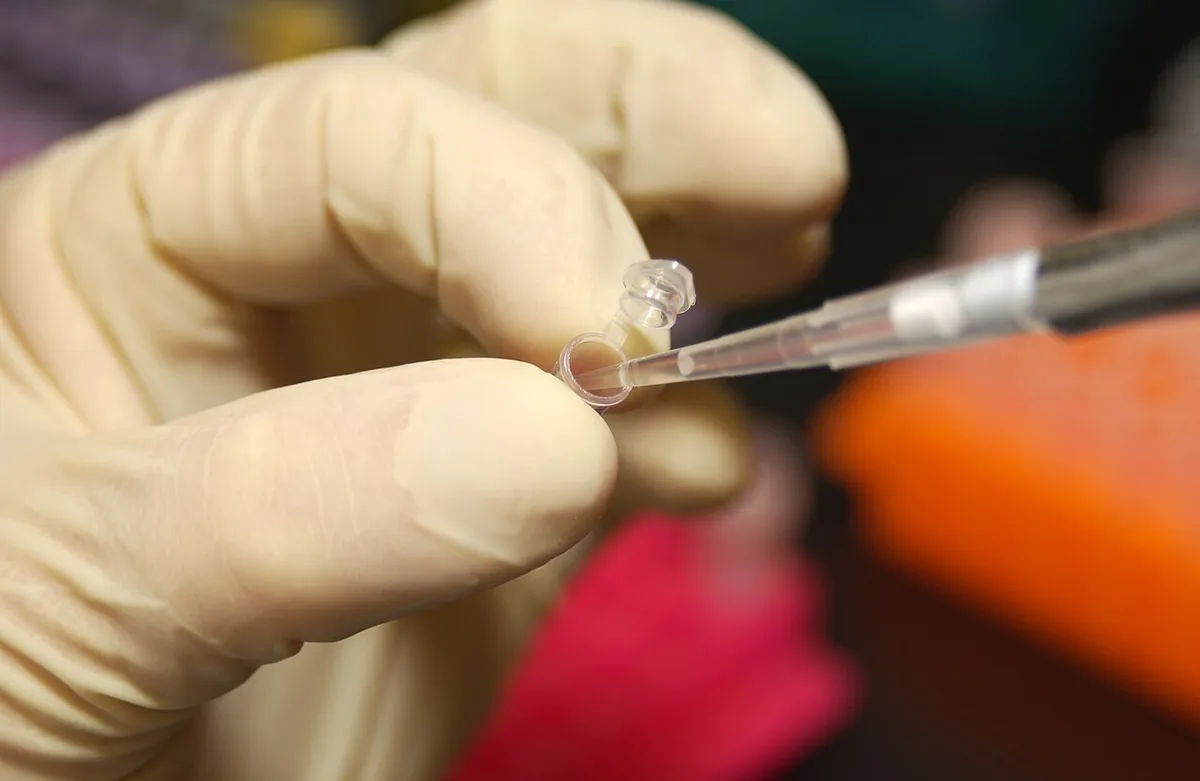
Every peptide researcher has lived this moment: the powder is in the vial, the experiment is planned, and the material simply will not go into solution. A good peptide solubility guide is therefore less a recipe and more a way of thinking — a structured approach to solvents, pH, and handling that turns “it won’t dissolve” from a dead end into a solvable problem. Peptides are chemically diverse: some dissolve in water instantly, while others — rich in hydrophobic residues — shrug off aqueous buffers entirely. This peptide solubility guide walks through the laboratory logic researchers use to coax peptides into solution, drawn from general peptide-handling practice and the published literature: why peptides resist dissolving, the solvent ladder to work through, how pH and the isoelectric point control solubility, and how to tell when you have actually succeeded. Laboratory preparation only — nothing here addresses human use.
Research-use-only disclaimer: All products on this site are sold strictly for laboratory research use. This peptide solubility guide is an educational overview of laboratory solution-preparation practice. It contains no dosage information, no administration instructions, and no medical advice.
What This Peptide Solubility Guide Covers
Solubility work in a research lab has one goal: a clear, fully dissolved, homogeneous solution of known concentration, prepared for analysis — HPLC, mass spectrometry, spectroscopy, or cell-free binding assays. This peptide solubility guide covers the decisions a researcher makes on the way there: which solvent to try first, when pH adjustment is warranted, when an organic co-solvent enters the picture, and how concentration and mixing technique affect the outcome. It does not cover any preparation intended for administration, and it assumes the reader is working under standard laboratory safety practice with appropriate PPE, fume handling for organics, and proper waste disposal.
One principle runs through the entire peptide solubility guide: work from the mildest option upward. Every solvent you add and every pH unit you move introduces a variable into your experiment. The ideal preparation uses the simplest solvent that fully dissolves the peptide — usually water or a near-neutral buffer — because everything downstream, from assay compatibility to analytical cleanliness, gets easier.
Why Peptides Resist Dissolving
Before reaching for solvents, it helps to understand the enemy. A peptide’s solubility is set by its amino acid sequence, and three features of that sequence dominate this peptide solubility guide:
Hydrophobic residue content
Amino acids like leucine, isoleucine, valine, phenylalanine, and tryptophan dislike water. A peptide rich in them behaves like a tiny oil droplet: it would rather associate with itself than disperse in an aqueous buffer. Long or highly hydrophobic sequences are the classic “difficult” cases in any peptide solubility guide, and they are the reason organic co-solvents exist in the peptide lab’s toolkit.
Net charge and the isoelectric point
Every peptide has an isoelectric point (pI) — the pH at which its positive and negative charges balance and its net charge is zero. Near the pI, electrostatic repulsion between peptide molecules is at its weakest, and solubility is typically at its lowest. Move the pH away from the pI in either direction and the molecules carry a net charge, repel each other, and dissolve more readily. This single concept explains more solubility failures than any other, and it anchors the pH section of this peptide solubility guide. (Background reading: the isoelectric point on Wikipedia.)
Secondary structure and aggregation history
Some peptides self-associate into beta-sheets or amorphous aggregates, especially after freeze-thaw stress or prolonged storage. An aggregated peptide may look like a solubility problem when it is really a stability problem — the material was compromised before the solvent ever touched it. If a peptide that should dissolve does not, checking its storage history and analytical purity (HPLC, mass spec) belongs early in the troubleshooting, not late.
The Peptide Solubility Guide Solvent Ladder
The working method of this peptide solubility guide is a ladder: start at the bottom with the mildest solvent, confirm full dissolution, and climb only as far as needed. Each step below is a standard option in peptide laboratories.
Step 1 — Sterile water or a simple aqueous buffer
Always the first attempt. Many peptides dissolve readily in deionized water or a standard buffer such as phosphate-buffered saline. Prepare at the target concentration, mix gently, and inspect against a dark background for undissolved particles. If the solution is clear, stop here — this is the cleanest possible outcome for downstream assays.
Step 2 — Dilute acid for basic peptides
If the peptide carries basic residues (lysine, arginine, histidine) and resists water, a dilute acid — commonly dilute acetic acid in laboratory practice — protonates those residues, adding positive charge and driving dissolution. This is the pI principle in action: moving the pH below the peptide’s isoelectric point. Add the minimum effective amount and confirm the final pH is compatible with whatever the solution will be used for.
Step 3 — Dilute base for acidic peptides
The mirror image: peptides rich in aspartic or glutamic acid often dissolve when the pH is raised above their pI with a dilute base, deprotonating acidic residues and adding negative charge. As with acid, use the minimum that achieves full dissolution — large pH excursions risk deamidation and hydrolysis over time.
Step 4 — An organic co-solvent
For stubbornly hydrophobic sequences, a water-miscible organic co-solvent such as dimethyl sulfoxide (DMSO) or acetonitrile can break the deadlock. The standard approach is to dissolve the peptide first in the minimum volume of the organic solvent, then dilute with aqueous buffer to the working concentration — keeping the final organic percentage as low as the experiment tolerates. Organics demand fume handling and assay-compatibility checks, since even low percentages can perturb some analytical and cell-free systems. (See dimethyl sulfoxide for background on the most common choice.)
Step 5 — Assisted dissolution techniques
When chemistry alone is not enough, gentle physical assistance helps: brief sonication in a water bath, gentle warming, or extended mixing at low speed. Avoid vigorous vortexing and heating, both of which can damage sensitive sequences. If a peptide still will not dissolve after the full ladder, the honest conclusion of this peptide solubility guide is to question the material, not the method — re-check purity, storage history, and whether aggregation has already occurred.
| Solvent option | Best suited to | Typical use level | Cautions |
|---|---|---|---|
| Deionized water / aqueous buffer | Most peptides; always try first | 100% of preparation | Check pH vs. the peptide’s pI if it fails |
| Dilute acetic acid | Basic peptides (Lys/Arg/His-rich) | Minimum effective amount | Confirm final pH suits the downstream assay |
| Dilute base | Acidic peptides (Asp/Glu-rich) | Minimum effective amount | Large pH shifts risk deamidation over time |
| DMSO | Hydrophobic, water-resistant sequences | As low a final % as works | Fume handling; verify assay compatibility |
| Acetonitrile / water mix | Analytical preparations, hydrophobic peptides | Co-solvent portion only | Volatility; keep capped, work in ventilation |
The minimum-effective principle. Every rung of this peptide solubility guide ladder adds a chemical variable to your experiment. Dissolve in the smallest volume of the strongest solvent needed, then dilute back into the mildest working medium. A peptide fully dissolved in 100% DMSO is a starting point, not a finished preparation — the finished preparation is the diluted, assay-compatible solution.
pH and the Isoelectric Point: The Heart of This Peptide Solubility Guide
If this peptide solubility guide had to keep only one concept, it would be this: solubility is worst at the isoelectric point and improves as pH moves away from it. In practice that means:
- Know the pI — it can be estimated from the amino acid sequence with standard calculators, and it predicts which direction of pH adjustment will help.
- Acidic peptides dissolve in base, basic peptides dissolve in acid — the oldest rule in peptide solution prep, and still the most useful.
- Stay as close to neutral as the peptide allows — extreme pH accelerates deamidation and hydrolysis, trading a solubility problem for a stability problem.
- Measure, don’t guess — a pH meter or calibrated strips on the final solution beats assuming the addition worked.
Buffer choice is part of solubility. The buffer is not just background — its pH, ionic strength, and components all interact with the peptide. When a preparation will sit before analysis, a buffer that holds the pH steady at a peptide-friendly value does quiet work for both solubility and stability. Our companion guide to CJC-1295 stability and storage covers the storage side of that equation.
Concentration, Mixing, and Verification
Three practical details complete this peptide solubility guide. First, concentration: solubility is concentration-dependent, and a peptide that dissolves cleanly at low concentration may precipitate at high concentration. Prepare at the lowest concentration the experiment allows, and if a concentrated stock is needed, confirm it stays clear over the intended holding time. Second, mixing: gentle swirling, rocking, or brief sonication beats aggressive vortexing, which can denature sensitive sequences and whip air into the solution. Third, verification: a truly dissolved peptide gives a clear solution with no visible particles, no Tyndall shimmer of suspended colloids, and — where it matters — a single sharp peak by HPLC rather than the broad smear of aggregates.
These habits are part of the same laboratory discipline that governs every research compound handled on this site. Our Semax 10mg and Selank 10mg research listings, for example, are supplied as lyophilized research material handled under the same solution-preparation standards — and our Selank vs Semax research comparison describes the research-use framing we apply across the board, alongside our research overviews on Semax nasal spray and Selank nasal spray formats. The PubMed index is the place to check published preparation methods for any specific peptide under study.
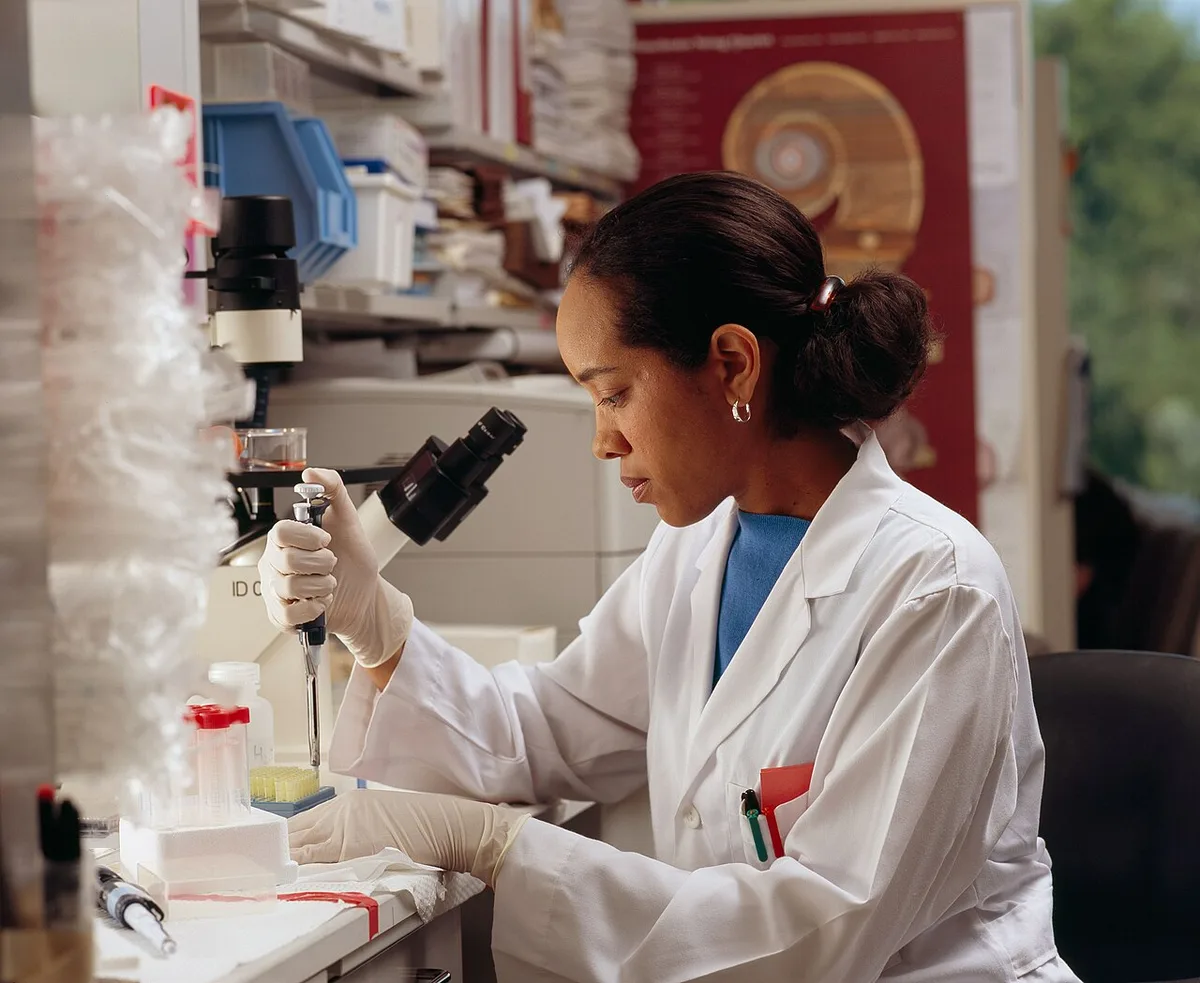
When nothing works, suspect the material. A peptide that resists the full solvent ladder is telling you something. Before inventing harsher conditions, verify identity and purity by mass spectrometry and HPLC, review the storage history for freeze-thaw abuse or moisture exposure, and consider that the lot itself may be compromised. Good peptide solubility guide practice ends with honest material assessment, not heroic chemistry.
Key Takeaways: Peptide Solubility Guide
Work the ladder from mildest to strongest: water or buffer first, then pH adjustment away from the isoelectric point, then an organic co-solvent at the minimum effective level, with gentle physical assistance as needed. Keep concentrations sensible, verify a clear single-species solution, and question the material — not the method — when the full peptide solubility guide fails. (Research framing only — laboratory preparation guidance, not a use recommendation.)
Peptide Solubility Guide: Frequently Asked Questions
Straight answers to the solubility questions that come up at the bench.
What solvent should I try first for a new peptide?
Deionized water or a simple aqueous buffer — always. This peptide solubility guide starts with the mildest option because it introduces the fewest variables into downstream analysis. Only climb to acids, bases, or organic co-solvents if the peptide genuinely will not dissolve in aqueous media.
How does pH affect peptide solubility?
Solubility is typically lowest at the peptide’s isoelectric point (pI), where net charge is zero, and improves as pH moves away from the pI in either direction. Acidic peptides generally dissolve better with pH raised above their pI; basic peptides with pH lowered below it. Measure the final pH rather than assuming.
When is DMSO appropriate in peptide work?
For hydrophobic sequences that resist aqueous solvents, DMSO is the standard organic co-solvent in peptide laboratories. Dissolve in the minimum volume needed, then dilute into aqueous buffer to keep the final organic percentage as low as the experiment tolerates — and confirm the residual DMSO is compatible with your assay, since it can perturb some analytical and cell-free systems.
Why won’t my peptide dissolve even in the right solvent?
Consider aggregation or degraded material: a peptide stressed by freeze-thaw cycles, moisture, or poor storage may have self-associated into species no solvent will rescue. Verify purity by HPLC and identity by mass spectrometry, review the storage history, and treat a persistently insoluble lot as suspect rather than forcing harsher conditions.
Does concentration matter for peptide solubility?
Yes. Solubility is concentration-dependent — a peptide clear at low concentration can precipitate at high concentration. Prepare at the lowest concentration the experiment allows, and confirm concentrated stocks remain clear over their intended holding time.
Are peptides regulated as drugs?
Many research peptides, including well-known examples, are not FDA-approved drugs and are handled as research compounds. The FDA’s drug information pages explain approval status, and background on peptides generally is available via the peptide article on Wikipedia.
Final Notes on This Peptide Solubility Guide
Solubility work rewards patience and punishes shortcuts. The ladder in this peptide solubility guide — water, pH, co-solvent, gentle assistance, honest material assessment — resolves the large majority of preparation problems without drama. Keep notes on what worked for each sequence, because peptide solubility is sequence-specific: the solvent system that dissolves one peptide effortlessly may be wrong for the next. Build that lab-specific knowledge base, verify your solutions, and the “it won’t dissolve” moment becomes a brief detour rather than a lost week. That is the whole value of a peptide solubility guide worth keeping.