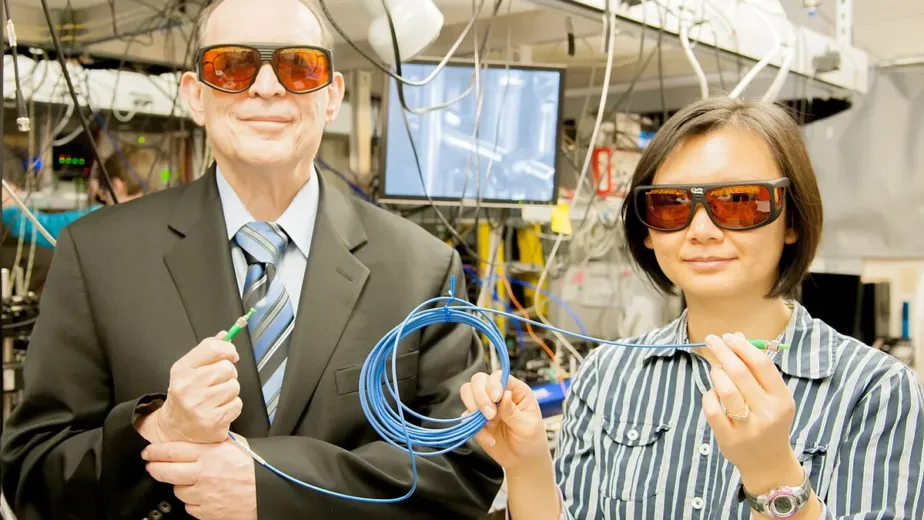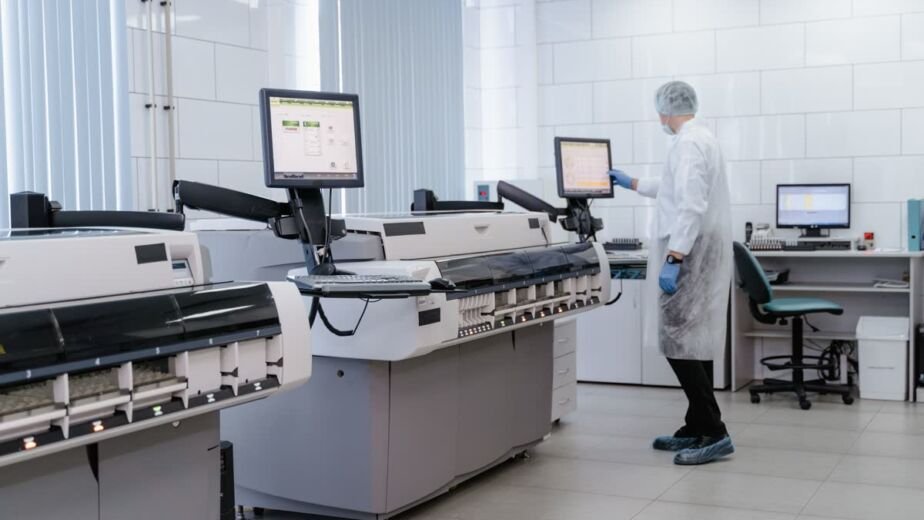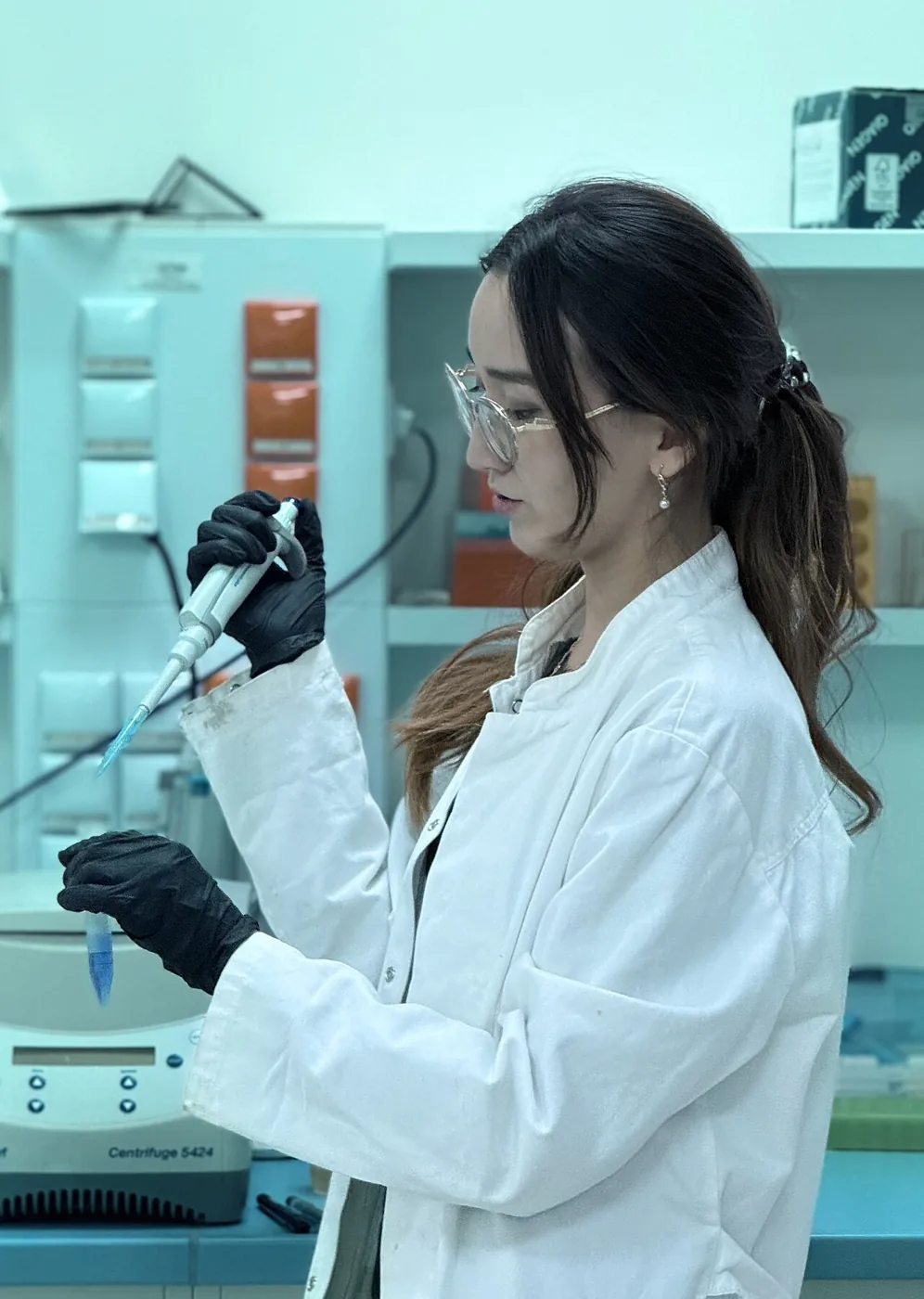
Every research program that works with synthetic peptides starts in the same place: the bench. And before any experiment begins, peptide lab safety basics decide whether that bench work is careful, compliant, and repeatable — or a liability waiting to happen. Peptides arrive as lyophilized powders in small vials, get reconstituted with solvents, and move through pipettes, balances, and instruments. None of that is exotic lab work, but each step carries the same safety questions every laboratory answers for every chemical it handles: what is this material, how do I protect myself while handling it, and where does the waste go when I am done? This guide covers peptide lab safety basics for research laboratories — handling, personal protective equipment (PPE), and waste — in research framing only. It is an educational overview, not a substitute for your institution’s safety program or its chemical hygiene plan.
Research-use-only disclaimer: All products on this site are sold strictly for laboratory research use. They are not medicines, not for human or veterinary use, and not FDA-approved. This article discusses laboratory safety practices only. It contains no dosage information, no administration instructions, and no medical advice.
Why Peptide Lab Safety Basics Matter
Research peptides are potent, high-purity chemicals handled in small quantities — and that combination is exactly why peptide lab safety basics deserve deliberate attention. A lyophilized peptide vial looks harmless, but the standard hazards of laboratory chemistry still apply: airborne dust when a vial is opened, solvent exposure during reconstitution, sharps from syringes and broken glass, and contaminated waste that cannot go in ordinary trash. Laboratories that treat research compounds casually tend to discover the gaps during an audit or an incident, not during planning.
There is a second reason peptide lab safety basics matter: credibility. Research data is only as trustworthy as the conditions that produced it. Contaminated samples, mislabeled vials, and sloppy waste handling undermine results long before they threaten anyone’s health. The sections below build that habit step by step: what to wear, how to handle materials, and how to dispose of everything responsibly. For background on the general discipline, the laboratory safety overview on Wikipedia is a solid starting point.
The Core Principles of Peptide Lab Safety Basics
All of peptide lab safety basics rest on a small set of principles that safety professionals apply to every chemical, not just peptides. Learn these once and they transfer to everything else in the lab.
The hierarchy of controls. Safety professionals rank protections from most to least effective: elimination/substitution (don’t use the hazard), engineering controls (fume hoods, biosafety cabinets), administrative controls (training, SOPs, labeling), and finally PPE. Gloves and goggles are the last line of defense, not the first. When you plan peptide handling, start at the top of the hierarchy.
- Know the material before you touch it. Read the Safety Data Sheet (SDS) for every peptide and every solvent before handling. The SDS lists hazards, first-aid measures, and disposal guidance — it is the single most important document in peptide lab safety basics.
- Label everything, every time. Every vial, tube, and waste container gets a label with the contents, the date, and the owner’s initials. Unlabeled containers are one of the most common lab violations and one of the easiest to prevent.
- Keep quantities small. Work with the smallest amount the experiment requires. Smaller quantities mean smaller spills, smaller exposures, and smaller disposal problems.
- Separate clean from contaminated. Designate zones: clean storage, active bench work, and waste collection. Never let waste containers, used pipette tips, or contaminated gloves migrate into clean areas.
- Plan for the worst case. Know where the eyewash, safety shower, spill kit, and fire extinguisher are before you need them — not after.
Personal Protective Equipment: The Peptide Lab Safety Basics Checklist
PPE is the most visible part of peptide lab safety basics, and the easiest to get right. The standard ensemble for handling research peptides and their solvents is simple, but each item has a job. Use the checklist below as a bench-side reference.
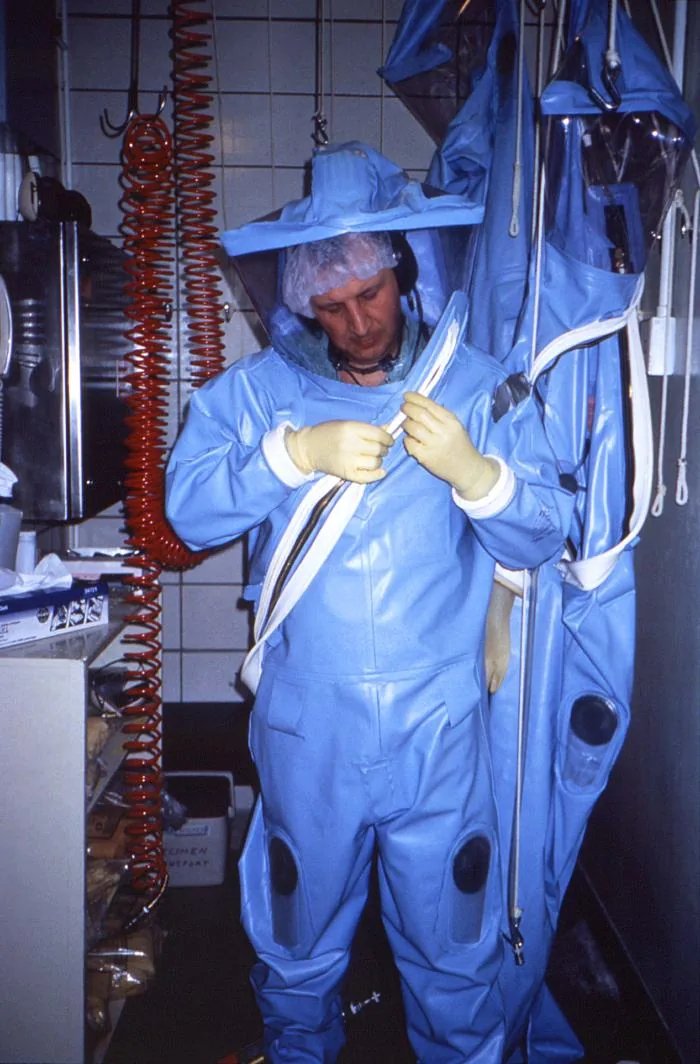
Bench PPE checklist — run through it before every session
- Lab coat — buttoned, with sleeves covering the wrists. It protects skin and clothing from splashes and dust.
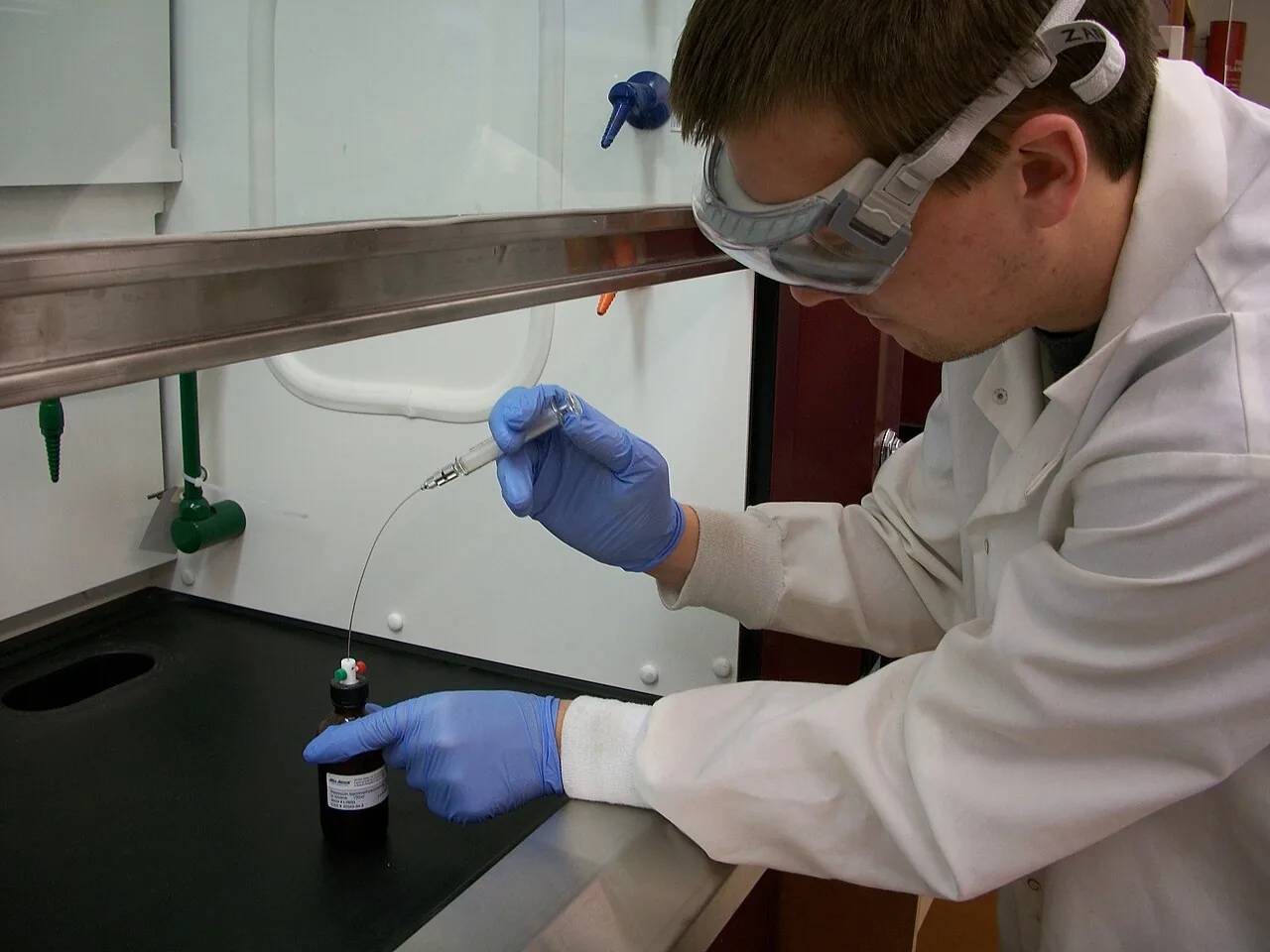
- Safety glasses or goggles — minimum for any liquid handling; sealed goggles when there is a splash or dust risk, such as opening lyophilized vials.
- Gloves — nitrile in most peptide labs; check the SDS for solvent compatibility, because some solvents degrade nitrile and need a different glove material. Change gloves when contaminated, torn, or after finishing a task.
- Closed-toe shoes — standard lab requirement; no sandals, ever.
- Tied-back hair and no dangling items — keeps hair, ties, and jewelry out of samples and equipment.
- Respiratory protection (as needed) — for most peptide work, a fume hood or biosafety cabinet handles airborne risk; if the SDS or risk assessment calls for a respirator, that requires fit-testing and training, not an off-the-shelf dust mask.
Two PPE mistakes show up again and again in research labs. The first is reusing gloves between tasks — gloves that handled solvents should never touch a keyboard, phone, or door handle. The second is treating the lab coat as optional for “quick” jobs. In peptide lab safety basics, there are no quick jobs: the checklist applies whether the task takes ten seconds or ten hours. More on the general concept at personal protective equipment on Wikipedia.
Safe Handling: Receiving, Storage, and Bench Work
Handling is where peptide lab safety basics turn into daily routine. Peptides typically arrive as lyophilized (freeze-dried) powder in sealed vials — the same format our research listings use, such as Semax 10mg and Selank 10mg. From delivery to disposal, each stage has its own handling rules.
Step 1 — Receiving and inspection
Open shipments in the lab, not at a desk. Check that vials are sealed, intact, and match the packing list, and log the receipt: compound name, lot number, quantity, date, and receiver. Damaged or leaking vials go straight into chemical waste.
Step 2 — Storage
Store peptide vials per the supplier’s guidance — typically sealed, cool, dry, and away from light — in a designated, labeled area, separated from food, drink, and personal items. Maintain an inventory so nothing sits forgotten; expired or unneeded materials go through proper waste channels.
Step 3 — Bench preparation
Clear the bench and lay down a disposable bench protector if the protocol involves liquids. Confirm ventilation: work with open vials and solvents in a fume hood or biosafety cabinet, not on the open bench. Have the SDS accessible and the spill kit within reach.
Step 4 — Handling the material
Open vials slowly — lyophilized powder can puff out as fine dust. Use spatulas and pipettes rather than fingers, measure over a contained surface, and reseal containers immediately after use.
Step 5 — Cleanup and hand-off
Wipe down the work surface, dispose of single-use items in the correct waste stream, and wash your hands even though you wore gloves. Log what was used so inventory stays accurate.
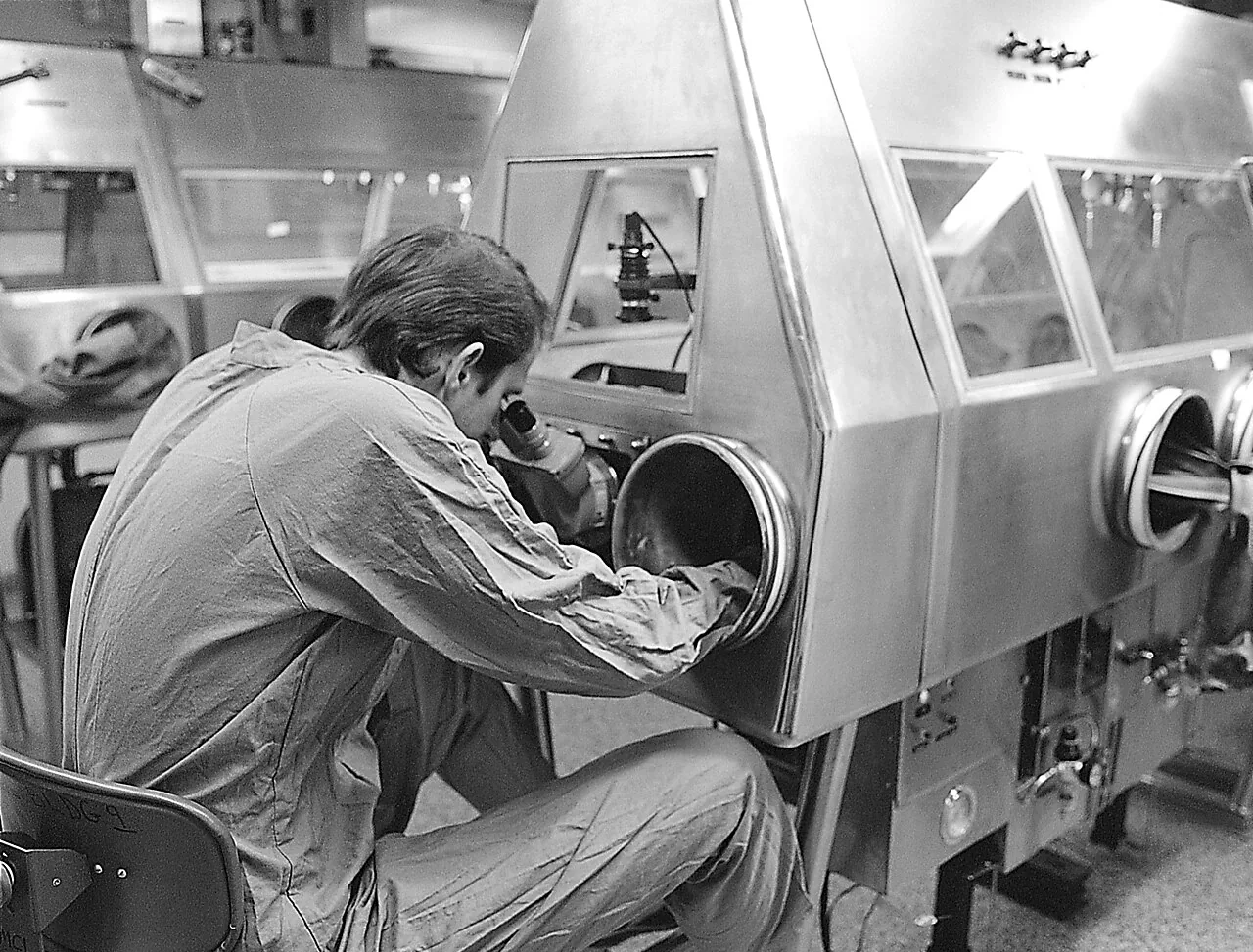
Ventilation deserves emphasis because it is the engineering control most relevant to peptide work. A chemical fume hood protects you from vapors and dust; a biosafety cabinet protects both you and the sample when sterility matters. They are not interchangeable — use the one your risk assessment specifies. Our research overviews of studied delivery formats, such as the Semax nasal spray and Selank nasal spray research guides, describe formats investigated in research settings — the handling discipline behind them is exactly what this section covers.
Never mouth-pipette. Never eat, drink, or apply cosmetics in the lab. These sound like rules from another century because they are — and they persist because every generation of researchers needs to hear them. Ingestion and hand-to-mouth transfer remain real exposure routes in chemistry labs.
Peptide Lab Safety Basics for Waste Segregation and Disposal
Waste is the part of peptide lab safety basics that laboratories most often get wrong, and the part regulators check first. The rule is simple: nothing from the bench goes into ordinary trash or down the drain unless your institution’s waste program explicitly allows it. Segregate waste at the point of generation using the streams below.

| Waste stream | What goes in it | Container and labeling |
|---|---|---|
| Chemical waste | Unused peptides, contaminated solvents, reconstitution waste, spill cleanup materials | Compatible, sealed container; GHS-style label with contents and hazard warnings; stored in a designated accumulation area |
| Sharps | Syringes, needles, razor blades, broken glass | Rigid, puncture-resistant sharps container; never overfilled; never recapped needles by hand |
| Contaminated glass and plastic | Vials, pipettes, tubes that contacted research compounds | Designated rigid container or bag per institutional policy — not the regular recycling bin |
| Gloves and bench protectors | Used nitrile gloves, disposable bench covers, wipes | Bagged as chemical or general lab waste per local rules; never in office trash |
| Empty containers | Rinsed vials and bottles, only if institutional policy allows | Defaced labels, segregated for the approved stream — when in doubt, treat as chemical waste |
Drain disposal is almost never acceptable. Pouring solvents, peptides, or contaminated liquids down the sink violates most institutional and municipal rules and can damage plumbing and wastewater systems. If your protocol generates liquid waste, collect it in a labeled chemical waste container and route it through your institution’s hazardous waste pickup.
Waste containers need care too: keep them closed except when adding waste, never mix incompatible chemicals (check the SDS), and learn your institution’s hazardous-waste pickup schedule before your first container fills up.
Spills, Exposures, and Emergencies
Even careful laboratories have incidents, and peptide lab safety basics include knowing the response before the event. Post emergency procedures visibly and make sure every lab member — including short-term students and visitors — can find them.
Chemical spills
For a small, low-hazard spill you are trained to handle: alert nearby workers, don fresh PPE, contain the spill with absorbent from the spill kit, collect the waste into the chemical waste stream, and ventilate the area. For large spills, volatile solvents, or anything beyond your training: evacuate and call your institution’s emergency number.
Skin or eye exposure
Remove contaminated clothing and flush with water — eyes at the eyewash station for at least 15 minutes, skin at the sink or safety shower. Then consult the SDS first-aid section and seek medical evaluation if indicated. Know the eyewash and shower locations by heart.
Fires
Know which extinguisher classes are in your lab and which fires each covers. If a fire is beyond a tiny, contained incipient stage, evacuate and call emergency services. Keep aisles and exits clear at all times.
Report every incident, including near misses. A spill that was cleaned up without injury is still data: it reveals a gap in procedure, training, or equipment. Laboratories with strong peptide lab safety basics treat near-miss reporting as a core habit, not an admission of failure. Your institution’s safety office would rather hear about ten near misses than one injury.
Documentation and Training: The Paperwork Side of Peptide Lab Safety Basics
Safety that isn’t written down doesn’t exist when it matters. The documentation side of peptide lab safety basics is what turns good intentions into an auditable program — and it mirrors the expectations federal research funders set, such as the NIH Guidelines for research involving recombinant or synthetic nucleic acid molecules.
Documentation checklist
- Chemical inventory — every research compound logged with name, lot, quantity, location, and receipt date.
- SDS library — current Safety Data Sheets for every material, accessible to everyone in the lab within seconds.
- Standard operating procedures (SOPs) — written step-by-step procedures for routine tasks like receiving, storage, reconstitution, and waste disposal.
- Training records — who was trained, on what, and when, including refresher dates.
- Incident and near-miss log — every event recorded with what happened, the response, and the corrective action.
- Waste manifests — pickup records proving waste left through proper channels.
Training should cover general lab safety plus the specifics of the materials at hand. New lab members get a walkthrough of the space — eyewash, shower, spill kit, extinguishers, waste areas — before they touch anything, with refresher training typically annual and retraining after any incident or procedure change. For a research program comparing compounds, our Selank vs Semax research comparison shows the kind of multi-compound work where shared SOPs and a single inventory system pay off quickly.
Key takeaways: peptide lab safety basics
- Peptide lab safety basics are standard chemical-lab discipline applied to research peptides: know the material (SDS), control exposure (ventilation first, PPE always), and segregate waste.
- Run the PPE checklist every session — coat, eye protection, compatible gloves, closed-toe shoes — and treat it as non-negotiable.
- Handle vials in ventilated enclosures, label everything, keep quantities small, and never leave open containers unattended.
- Segregate waste into chemical, sharps, and contaminated-materials streams; nothing bench-related goes in ordinary trash or down the drain.
- Know your emergency equipment and procedures cold, and report every incident and near miss.
- Write it all down: inventory, SDS library, SOPs, training records, and waste manifests are what make safety auditable and real.
Research framing only — these are laboratory practices, not recommendations for any human use.
Peptide Lab Safety Basics: Final Notes
Peptide lab safety basics are laboratory safety applied carefully to the materials research peptide laboratories handle every day. The vials are small and the quantities are modest, but the principles are the same ones that protect chemists and biologists everywhere: read the SDS, wear the PPE, ventilate the work, label everything, segregate the waste, and plan for emergencies.
If you are setting up or tightening procedures in your own lab, start with the two checklists in this guide and the waste table, then build SOPs around them. And remember the through-line of peptide lab safety basics: careful handling is not bureaucracy. It is the foundation every reliable result stands on.
Peptide Lab Safety Basics: Frequently Asked Questions
Quick answers to the questions research teams ask most about peptide lab safety basics.
What PPE is required for handling research peptides?
At minimum: a buttoned lab coat, safety glasses or goggles, chemically compatible gloves (usually nitrile — check the SDS for solvent compatibility), and closed-toe shoes. Sealed goggles are advisable when opening lyophilized vials, since the powder can become airborne. Respiratory protection is only used when the risk assessment calls for it, and then only with proper fit-testing and training.
Where should peptide vials be stored?
In a designated, labeled storage area — typically cool, dry, and away from light, per the supplier’s guidance — separated from food, drink, and personal items. Maintain an inventory with compound name, lot number, quantity, and receipt date. Never store research compounds in break rooms, desks, or domestic refrigerators used for food.
Can peptide waste go in the regular trash or down the sink?
No. Unused peptides, contaminated solvents, reconstitution waste, used gloves, and contaminated vials belong in segregated chemical-waste, sharps, or contaminated-materials streams per your institution’s waste program. Drain disposal is almost never acceptable. When in doubt, treat the material as chemical waste and ask your safety office.
What should I do if I spill a peptide solution?
For a small spill you are trained to handle: alert nearby workers, put on fresh PPE, contain it with absorbent from the spill kit, collect everything into the chemical waste stream, and ventilate. For large spills or anything beyond your training, evacuate and call your institution’s emergency number. Always report the incident, including near misses.
Do I need the Safety Data Sheet for every peptide?
Yes. The SDS is the foundation of peptide lab safety basics: it lists hazards, handling precautions, first-aid measures, and disposal guidance for each material. Keep an SDS library accessible to everyone in the lab, and read the SDS before handling any new compound or solvent.
Are research peptides regulated like drugs in the lab?
Research peptides are handled as laboratory chemicals under your institution’s chemical hygiene plan and applicable workplace safety rules — they are not medicines and are not FDA-approved drugs. That does not make them exempt from safety discipline; standard chemical-lab controls (SDS, PPE, ventilation, waste segregation) apply in full. Your institution’s environmental health and safety office is the authority on local requirements.