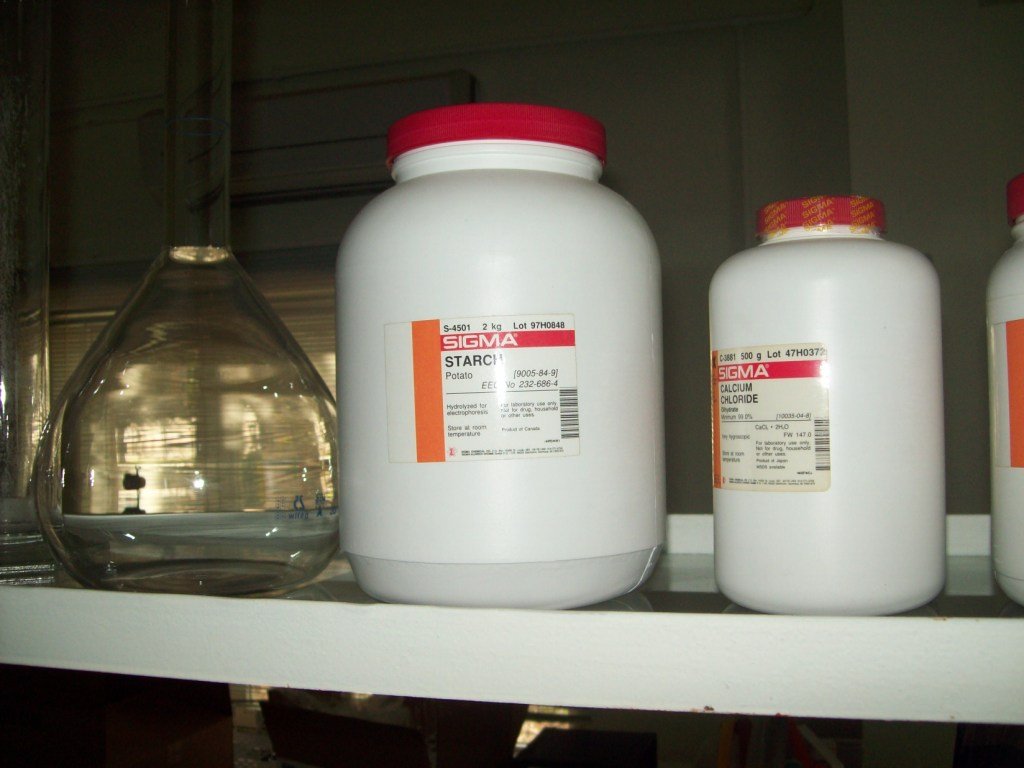
When a laboratory starts working with a peptide like SS-31, one of the first practical questions is about SS-31 stability and storage: how the compound should be kept between experiments so that what goes into an assay today is the same compound that arrived last month. Stability questions matter because peptides are biological molecules, and biological molecules change over time when exposed to heat, moisture, light, or repeated freezing and thawing. Understanding SS-31 stability and storage is therefore less about memorizing a single rule and more about understanding how this particular peptide behaves as a laboratory reagent — what its structure suggests about its vulnerabilities, what the published literature says about handling it, and which general lab practices protect any peptide from unnecessary degradation. This guide covers all three, strictly in a research-use frame.
Research-use-only disclaimer: SS-31 (also known in the literature as elamipretide) is an investigational research compound, not an FDA-approved drug. It is handled as a laboratory research chemical only. This article is an educational overview of stability and storage practice for research settings. It contains no dosage information, no administration instructions, and no medical advice, and nothing here recommends human use of SS-31.
Why SS-31 Stability and Storage Matters in Research
Any experiment is only as good as the reagents that go into it. When a lab orders a research peptide, the vial that arrives has been synthesized, purified, and typically freeze-dried (lyophilized) to keep it stable during shipping. From the moment it reaches the lab, though, its condition is the researcher’s responsibility. Temperature excursions, humidity, light exposure, and sloppy handling can all degrade a peptide before it ever enters an experiment — and degraded peptide can quietly distort results, because the researcher may not realize the material changed. That is the practical reason SS-31 stability and storage deserves attention: not as abstract chemistry, but as the foundation every SS-31 experiment rests on.
The stakes are especially worth thinking about because SS-31 is studied in contexts where precision matters. The published literature describes SS-31 as a mitochondria-targeting tetrapeptide investigated in preclinical and clinical research settings. A peptide handled as a research compound in mitochondrial research needs to arrive in assays intact — its charge distribution, its aromatic residues, and its overall shape are what the literature points to when explaining its behavior. If those features degrade in storage, the experiment no longer tests what the researcher thinks it tests. Good SS-31 stability and storage practice is really about preserving the compound’s identity.
Bottom line for busy researchers: Treat SS-31 like any high-value peptide reagent. Keep it dry, cold, and dark; avoid repeated freeze-thaw cycles; follow standard peptide-storage conventions described in the literature. The rest of this guide explains the reasoning behind each of those habits.
What SS-31 Is: Structural Context for Stability
Before talking storage conditions, it helps to know what is being stored. The Wikipedia article on elamipretide — the name SS-31 carries in the drug-development literature — describes it as a small synthetic tetrapeptide, a chain of just four amino acids: D-arginine, 2′,6′-dimethyltyrosine (Dmt), lysine, and phenylalanine, with an amidated C-terminus. That compact structure is directly relevant to SS-31 stability and storage for a simple reason: smaller peptides generally behave more predictably in storage than large proteins, but they are not indestructible. Their weak points are chemical rather than conformational — the individual amino acid side chains can oxidize, and the peptide bonds linking them can hydrolyze under the wrong conditions.
Two features of the SS-31 structure deserve a specific mention in a storage discussion. The first is the Dmt residue — a modified tyrosine carrying two extra methyl groups. Aromatic residues like this can be sensitive to oxidation over long storage, which is one reason the literature on peptide storage generally recommends limiting oxygen and light exposure for lyophilized material. The second is the molecule’s overall positive charge at physiological pH, which the literature links to its affinity for cardiolipin, a phospholipid of the inner mitochondrial membrane. Charge does not itself make a peptide unstable, but it does influence how the molecule interacts with surfaces and solvents — a detail that matters when choosing storage containers and buffers, as discussed below. None of this is unique to SS-31, which is exactly the point: SS-31 stability and storage follows the same principles that govern peptide reagents generally.
SS-31 Stability and Storage: General Lab Practice by Form
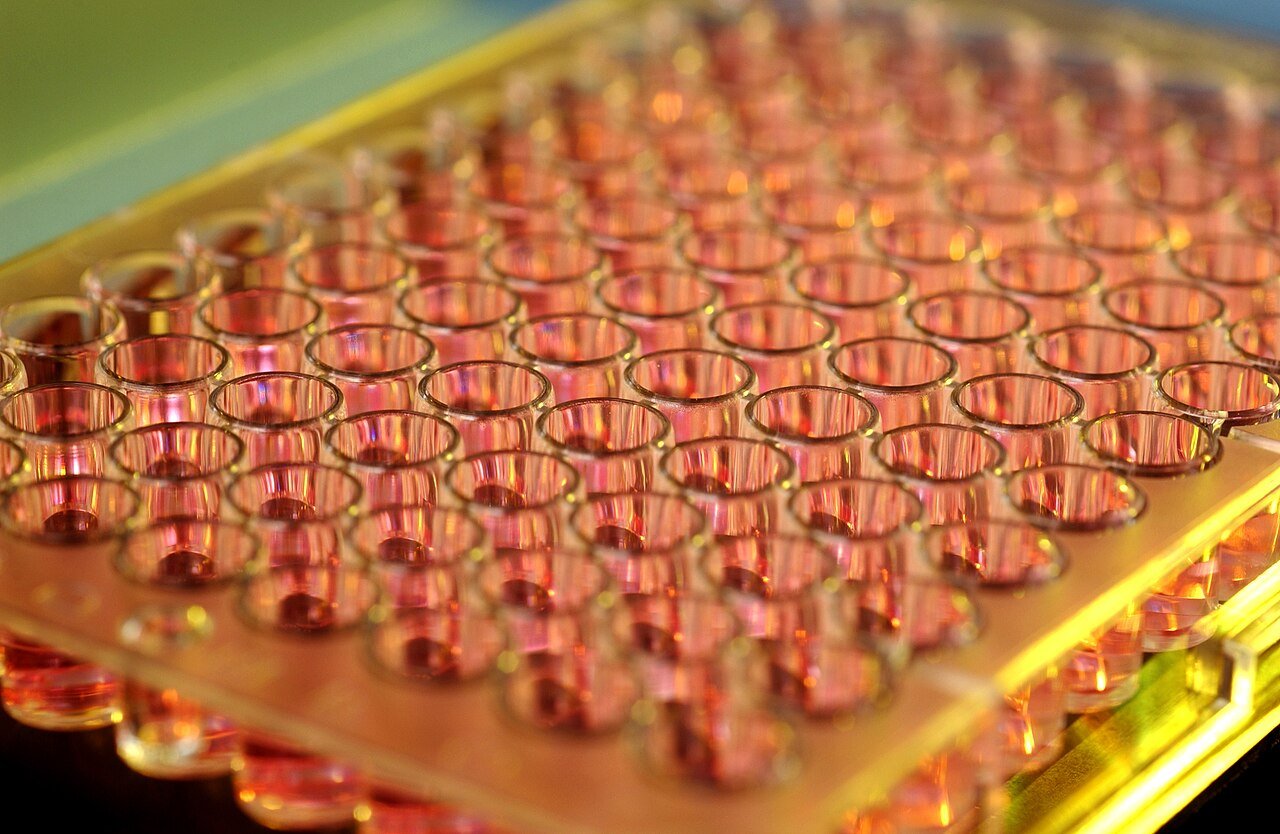
In practice, SS-31 stability and storage questions break into three scenarios, because a peptide exists in the lab in three forms: the lyophilized powder as received, the reconstituted solution after preparation, and the diluted working aliquots used day to day. Each form has different vulnerabilities, so each gets different treatment. The table below summarizes the conventions the published peptide literature describes for each form. These are general research-lab practices, not manufacturer instructions — always defer to the certificate of analysis and handling notes supplied with your specific material.
| Material form | Recommended storage convention (research literature) | Why | Relative stability |
|---|---|---|---|
| Lyophilized (freeze-dried) powder | Sealed, desiccated, at −20°C or below; protected from light | Removing water slows hydrolysis and microbial growth; cold slows all chemistry | Highest — the stable long-term form |
| Reconstituted stock solution | Refrigerated (2–8°C) for short term; frozen in aliquots for longer holding | Water enables hydrolysis and oxidation, so solutions degrade faster than powder | Moderate — plan experiments, avoid long holding |
| Working dilutions | Prepared fresh on the day of use where possible | Low concentration solutions are most vulnerable to surface adsorption and degradation | Lowest — use promptly |
A few points in that table deserve emphasis, because they are where SS-31 stability and storage practice most often goes wrong in real labs. First, the single most protective thing a researcher can do is keep the material lyophilized until it is needed. Freeze-drying removes the water that hydrolysis reactions require, and a sealed vial with desiccant is a remarkably stable package — peptides in this form routinely remain intact for months to years at −20°C, according to the general peptide literature. Second, freezing and thawing a solution repeatedly is harder on a peptide than staying frozen: each thaw is a window of warm, aqueous conditions where degradation chemistry runs fastest. The standard workaround is aliquoting — dividing a stock solution into single-use portions so each one is thawed exactly once.
Aliquoting, in one sentence: Split reconstituted SS-31 solution into small single-use tubes before freezing, so you never freeze-thaw the same tube twice. This one habit prevents the most common storage-related degradation pattern described in peptide handling literature.
Degradation Pathways in SS-31 Stability and Storage
Understanding SS-31 stability and storage means knowing what “degradation” actually looks like at the molecular level. For peptides generally, the literature describes a handful of recurring chemical pathways, each driven by specific conditions. None of these pathways is specific to SS-31 — they are the standard checklist any peptide researcher runs through — but they explain why each storage recommendation exists.
Hydrolysis
Peptide bonds are amide bonds, and amide bonds can be cleaved by water, especially at extremes of pH or elevated temperature. This is why lyophilization is so protective: no water, no hydrolysis. It is also why reconstituted solutions have a shorter useful life than powder, and why the literature advises keeping solution pH moderate and temperatures low. For SS-31 stability and storage purposes, the hydrolysis lesson is simple: minimize the time the peptide spends in solution at warm temperatures.
Oxidation
Oxygen in the air can oxidize susceptible amino acid side chains — aromatic residues such as the dimethyltyrosine in SS-31, and sulfur-containing residues in peptides generally. Oxidation is slow at low temperature but accelerates with heat and light. Storage practice responds accordingly: sealed vials (limiting air), cold temperatures (slowing reactions), and dark storage (blocking photochemical pathways). If a lab’s SS-31 vials sit on a sunlit bench for weeks, oxidation risk rises — not because SS-31 is unusually fragile, but because the chemistry is universal.
Aggregation and surface adsorption
Peptides in solution can stick to container walls or clump together, especially at low concentrations in plastic tubes. This is less a chemical breakdown than a physical loss: the peptide is still intact but no longer in solution, so the effective concentration in an assay drops. Researchers mitigate it by using low-binding tubes, avoiding unnecessary transfers, and — again — preparing working dilutions fresh. This pathway is worth naming explicitly because it is invisible: the solution looks clear while the concentration quietly changes.
Microbial contamination
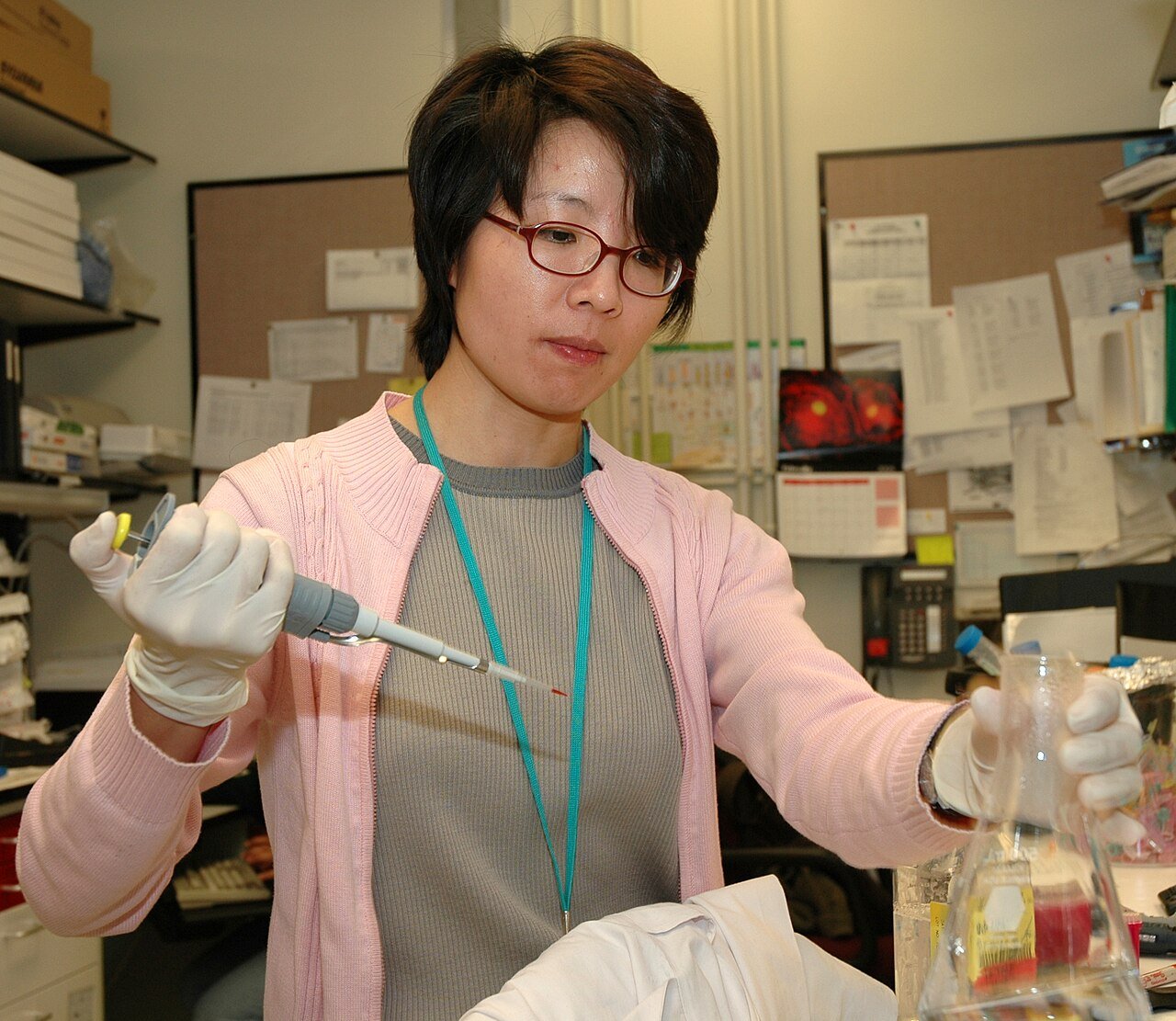
Once a peptide is in aqueous solution, it is also a potential nutrient source. Solutions stored at refrigerator temperature for extended periods can support microbial growth, which degrades the peptide and contaminates experiments. The literature’s answer is the same one it gives for hydrolysis: keep solution storage short, keep it cold, and start from sterile technique. Lyophilized powder, being dry, is not vulnerable to this pathway.
Handling Steps That Protect SS-31 Stability
Theory aside, SS-31 stability and storage comes down to a short list of bench habits — and bench habits are where SS-31 stability and storage succeeds or fails in practice. Below is a practical checklist in two columns: the habits that protect the compound and the mistakes that undermine it. Every item follows from the degradation pathways above.
| ✓ Do | ✗ Don’t |
|---|---|
| Store lyophilized vials sealed at −20°C or below, in the dark | Leave vials on the bench at room temperature for days |
| Let a frozen vial reach room temperature before opening (prevents condensation inside the vial) | Open a cold vial immediately — moisture from the air condenses on the powder |
| Aliquot reconstituted solution into single-use portions before freezing | Freeze-thaw the same stock tube repeatedly |
| Use low-binding tubes and prepare working dilutions fresh | Store dilute working solutions for weeks and assume the concentration held |
| Keep a simple log: date received, date reconstituted, storage location | Rely on memory for how long a solution has been sitting in the fridge |
| Follow the certificate of analysis that came with your material | Assume one protocol fits every supplier’s formulation |
The second row of that table — warming the vial before opening — is the one labs skip most often, and it is worth a sentence of explanation. A cold vial pulled from the freezer chills the air around it; when the seal is broken, humid room air rushes in and water condenses directly onto the lyophilized powder. That moisture starts hydrolysis chemistry in what was supposed to be a dry, stable package. Waiting for the vial to equilibrate to room temperature before opening avoids the problem entirely, and it costs nothing.
Documentation is part of stability: A vial with no date is a vial with no history. Logging receipt dates, reconstitution dates, and storage locations turns SS-31 stability and storage from a vague intention into a traceable practice — and it is the first thing an auditor, collaborator, or reviewer will ask about.
Temperature, Light, and Time: The Three Variables
Every storage decision in SS-31 stability and storage is a trade-off between three variables: temperature, light, and time. Lower temperature slows every degradation reaction, so the coldest practical storage is preferred for long holding — ultra-low freezers (−80°C) for archival material, standard −20°C freezers for working stocks. Light, particularly ultraviolet, drives photochemical degradation, so amber vials or simple foil wrapping and dark storage locations are standard. And time is the multiplier: a slightly warm, slightly lit vial is fine for a day and a problem for a year.
Shipping deserves a note here, because it is a storage episode the lab does not control — and SS-31 stability and storage planning really starts at delivery, not at first use. Peptides are routinely shipped lyophilized at ambient temperature with cold packs — the rationale being that dry powder tolerates short ambient exposure, and the real risk begins when material sits warm for weeks. When a shipment arrives, the correct response is to check the package promptly, confirm the vials are sealed and intact, and move them to the freezer rather than leaving the box on a receiving dock. If a shipment arrives warm after a long delay, note it in the log: that information belongs in the experimental record.
How SS-31 Stability and Storage Compares to Other Research Peptides
Researchers often ask how SS-31 stability and storage compares to the handling of better-known research peptides. The honest answer is that the fundamentals are the same: the lyophilized-cold-dark-aliquot routine described above is the standard of care for peptide reagents across the board, from the neuropeptide analogues covered in our Selank vs Semax research comparison to the compounds in our Semax nasal spray research overview and Selank nasal spray research overview. Where peptides differ is in the details — a peptide with oxidation-prone methionine or tryptophan residues needs more careful oxygen exclusion; a very hydrophobic peptide may need more attention to surface adsorption.
SS-31 sits in the middle of that spectrum. As a short, charged tetrapeptide it lacks the fragile disulfide bridges that complicate storage of some larger peptides, and it lacks methionine, one of the most oxidation-sensitive residues. Its dimethyltyrosine is aromatic and deserves the standard light-and-oxygen precautions, but nothing in its structure marks it as exceptionally fragile or exceptionally rugged. For a lab that already handles research peptides, SS-31 stability and storage should feel familiar: the same freezer, the same aliquoting discipline, the same logbook.
For labs ordering research peptides: Stability begins at sourcing. Suppliers of research-use compounds such as our Semax 10mg and Selank 10mg research listings ship lyophilized material with handling documentation — the certificate of analysis and storage notes that accompany a shipment are the authoritative reference for that specific lot.
Key Takeaways: SS-31 Stability and Storage
Keep it dry, cold, dark, and documented
The whole of SS-31 stability and storage practice reduces to four habits: store the lyophilized powder sealed and desiccated at −20°C or below; protect it from light; aliquot any reconstituted solution so no tube is freeze-thawed twice; and log dates and conditions. These conventions come from the general peptide literature and apply to SS-31 exactly as they apply to other peptide reagents. (Research framing only — no handling here implies any human use.)
Solutions are the vulnerable form — plan around that
Hydrolysis, oxidation, aggregation, and microbial growth all act faster in solution than in dry powder. The practical consequence: keep SS-31 lyophilized until needed, prepare working dilutions fresh, and hold stock solutions cold and brief. When in doubt, the shorter the solution’s life, the safer the experiment — that is the operational core of SS-31 stability and storage.
SS-31 Stability and Storage: Final Research Notes
The SS-31 stability and storage picture is ultimately a reassuring one for researchers. This is a small, well-characterized tetrapeptide with no structural features that demand exotic handling — standard peptide-storage practice, applied consistently, keeps it intact for the duration of a research program. The risks are the ordinary ones: moisture, warmth, light, repeated freeze-thaw, and time in solution. Each has a known countermeasure, and the countermeasures are cheap.
What turns adequate storage into good storage is discipline rather than equipment: warming vials before opening, aliquoting before freezing, preparing dilutions fresh, and writing dates in a log. None of these steps requires new hardware. Together, they ensure that the SS-31 entering an experiment is the SS-31 the literature describes — and that the results coming out of the experiment can be trusted. Researchers wanting background on the compound itself can start with the elamipretide article on Wikipedia and indexed studies on PubMed.
Handled this way, SS-31 stability and storage stops being a worry and becomes what it should be: a quiet, reliable part of the lab routine.
SS-31 Stability and Storage: Frequently Asked Questions
Quick answers to the SS-31 stability and storage questions researchers ask most — all in research framing.
What is the standard way to store lyophilized SS-31 in a research lab?
The standard convention described in the peptide literature is to keep lyophilized SS-31 sealed, desiccated, protected from light, and stored at −20°C or below (−80°C for long-term archival holding). Lyophilized powder is the most stable form because removing water blocks hydrolysis and microbial growth. Always defer to the handling notes and certificate of analysis supplied with your specific material.
How long does reconstituted SS-31 solution remain usable for research?
Solutions degrade faster than dry powder because water enables hydrolysis and oxidation. The general literature convention is to keep stock solutions refrigerated (2–8°C) for short-term use or frozen in single-use aliquots for longer holding, and to prepare working dilutions fresh on the day of use. There is no universal expiry figure — it depends on the formulation, container, and storage conditions, which is why dating every tube in a log matters.
Does freeze-thawing damage SS-31?
Repeated freeze-thaw cycles are harder on peptides than continuous frozen storage, because each thaw creates a window of warm aqueous conditions where degradation chemistry runs fastest. The standard workaround is aliquoting: divide reconstituted solution into single-use portions before freezing so each tube is thawed only once. This is a general peptide-handling principle that applies to SS-31 as it does to other research peptides.
Should SS-31 vials be protected from light?
Yes. Light — particularly ultraviolet — can drive photochemical degradation of susceptible residues, and SS-31 contains an aromatic dimethyltyrosine residue. Standard practice is dark storage: amber vials, foil wrapping, or simply keeping vials in a closed freezer or cabinet. This is a precaution from the general peptide literature, not a sign that SS-31 is unusually light-sensitive.
What degrades peptides in storage most often?
The four recurring pathways in the peptide literature are hydrolysis (water cleaving peptide bonds, fastest in warm solution), oxidation (air and light attacking susceptible side chains), aggregation and surface adsorption (peptide clumping or sticking to container walls, especially in dilute solutions), and microbial contamination of stored solutions. Good SS-31 stability and storage practice — dry, cold, dark, aliquoted, fresh dilutions — counters all four at once.
Where can researchers find authoritative handling information for their SS-31 material?
The authoritative reference for any specific lot is the certificate of analysis and handling documentation supplied with the shipment — storage guidance can vary by formulation. For background on the compound, the elamipretide article on Wikipedia and indexed literature on PubMed are the standard starting points. General peptide-storage principles are covered in biochemistry references such as the peptide article on Wikipedia.